


- Retrait en 2 heures
- Assortiment impressionnant
- Paiement sécurisé
- Toujours un magasin près de chez vous
- Retrait en 2 heures
- Assortiment impressionnant
- Paiement sécurisé
- Toujours un magasin près de chez vous



21,24 €
+ 21 points
Description
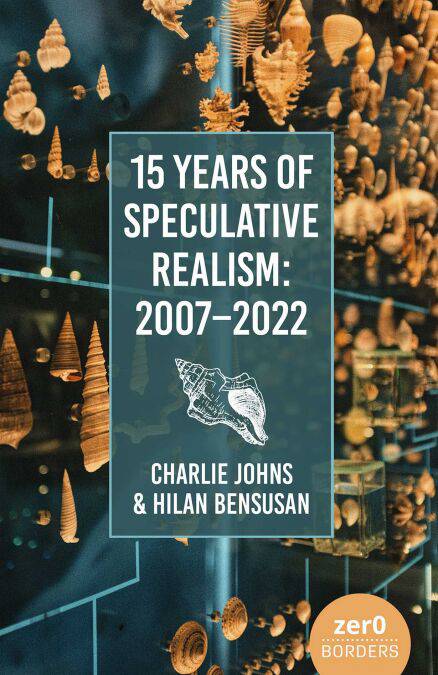
More than 15 years have passed since the speculative realism conference at Goldsmiths College, London, hosted Ray Brassier, Iain Hamilton Grant, Graham Harman, and Quentin Meillassoux. Their dictum was simple: Reality is not what it seems. 15 Years of Speculative Realism begins with four chapters, each dedicated to the work of a speculative realism panellist. On one level, their respective projects engaged with the great philosophical systems of yesteryear: Cartesian dualism; the Platonist distinction between reality and appearance; and the Kantian revival of noumena. But there is much more at stake here, such as the repositioning of the subject as yet another object in the universe, and the radically egalitarian view that individual human thought is best described as a local manifestation of nature. Through these observations, we are also encouraged to ask: 'Could the laws of physics change at any moment?' and 'How does thought think the gradual extinction of itself as but another perishable phenomenon in the physical universe?' Two further chapters offer wider context: the Analysis & Impact chapter evaluates speculative realism's relevance to the wider domain of philosophy, as well as its achievements and shortcomings, with commentary by Slavoj Žižek, and the Interviews chapter has contributions from Graham Harman, Ray Brassier, and Goldsmiths College's speculative realism conference coordinator, Alberto Toscano. As we prophetically enter into a new epoch - characterized by artificial intelligence and a withering climate - we call the Anthropocene, it seems that many of the insights offered to us through the speculative realist lens have come to fruition. The objective, now, is to speculate upon how far this major shift in the humanities will ensue, and how different this reality will be from our preconceived notion of the real offered to us by previous tenets of realism. This book charts the essential meaning of the movement in the wake of its spell as one of the most significant philosophical movements of the twenty-first century.
Spécifications
Parties prenantes
- Auteur(s) :
- Editeur:
Contenu
- Nombre de pages :
- 472
- Langue:
- Anglais
Caractéristiques
- EAN:
- 9781803414652
- Date de parution :
- 26-09-24
- Format:
- Ebook
- Protection digitale:
- Adobe DRM
- Format numérique:
- ePub



Seulement chez Librairie Club
+ 21 points sur votre carte client de Librairie Club
Cadeau


Les avis
Nous publions uniquement les avis qui respectent les conditions requises. Consultez nos conditions pour les avis.