


- Retrait en 2 heures
- Assortiment impressionnant
- Paiement sécurisé
- Toujours un magasin près de chez vous
- Retrait gratuit dans votre magasin Club
- 7.000.0000 titres dans notre catalogue
- Payer en toute sécurité
- Toujours un magasin près de chez vous



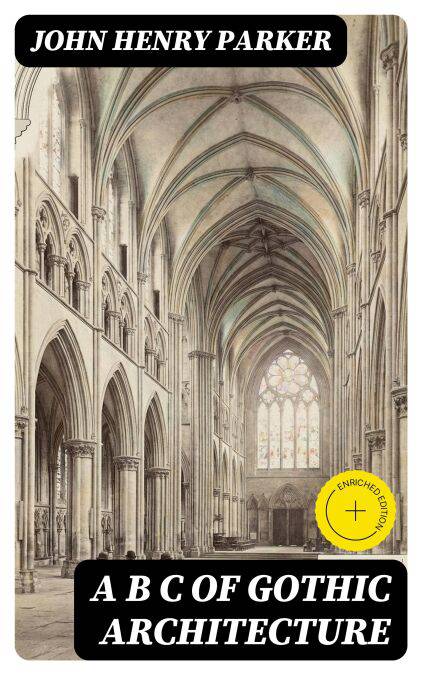
A B C of Gothic Architecture EBOOK
Enriched edition. A Clear Illustrated Guide to Medieval Cathedrals, Pointed Arches, Ribbed Vaults, and Gothic Craft
John Henry Parker
Ebook | Anglais
0,49 €
Format
Description
In "A B C of Gothic Architecture," John Henry Parker meticulously demystifies the complexities of Gothic architecture, weaving together historical insights with practical illustrations and detailed descriptions. The book serves as both a guide and a compendium, featuring clear explanations of architectural elements such as arches, cathedrals, and the intricacies of medieval design. Parker's literary style is marked by clarity and precision, making the text accessible to both enthusiasts and scholars, while its scholarly context situates it within the Victorian era's burgeoning interest in heritage conservation and architectural study. John Henry Parker (1806-1884) was a prominent architectural historian and a key figure in the revival of Gothic architecture during the 19th century. His background in architecture and archaeology, combined with a deep appreciation for medieval craftsmanship, propelled him to pen this influential work. Parker's passion for preserving historical edifices informed his writing, as he sought to articulate the significance and beauty of Gothic structures, particularly amid the rampant industrialization of his time. For readers fascinated by architectural history or those simply looking to deepen their appreciation of Gothic structures, Parker's "A B C of Gothic Architecture" is an indispensable resource. Its engaging prose and rich visual content make it an enlightening read, inviting both novices and experts to explore the grandeur of this iconic style.
In this enriched edition, we have carefully created added value for your reading experience:
- A succinct Introduction situates the work's timeless appeal and themes.
- The Synopsis outlines the central plot, highlighting key developments without spoiling critical twists.
- A detailed Historical Context immerses you in the era's events and influences that shaped the writing.
- A thorough Analysis dissects symbols, motifs, and character arcs to unearth underlying meanings.
- Reflection questions prompt you to engage personally with the work's messages, connecting them to modern life.
- Hand‐picked Memorable Quotes shine a spotlight on moments of literary brilliance.
- Interactive footnotes clarify unusual references, historical allusions, and archaic phrases for an effortless, more informed read.
In this enriched edition, we have carefully created added value for your reading experience:
- A succinct Introduction situates the work's timeless appeal and themes.
- The Synopsis outlines the central plot, highlighting key developments without spoiling critical twists.
- A detailed Historical Context immerses you in the era's events and influences that shaped the writing.
- A thorough Analysis dissects symbols, motifs, and character arcs to unearth underlying meanings.
- Reflection questions prompt you to engage personally with the work's messages, connecting them to modern life.
- Hand‐picked Memorable Quotes shine a spotlight on moments of literary brilliance.
- Interactive footnotes clarify unusual references, historical allusions, and archaic phrases for an effortless, more informed read.
Spécifications
Parties prenantes
- Auteur(s) :
- Editeur:
Contenu
- Nombre de pages :
- 180
- Langue:
- Anglais
Caractéristiques
- EAN:
- 8596547246213
- Date de parution :
- 03-09-22
- Format:
- Ebook
- Protection digitale:
- Digital watermarking
- Format numérique:
- ePub


Seulement chez Librairie Club
Cadeau

Cadeau


Les avis
Nous publions uniquement les avis qui respectent les conditions requises. Consultez nos conditions pour les avis.