


En raison d'une grève chez bpost, des retards de livraison peuvent survenir. Besoin de quelque chose en urgence ? Optez pour un retrait en magasin ou rendez-vous dans une Librairie Club à proximité.
- Retrait en 2 heures
- Assortiment impressionnant
- Paiement sécurisé
- Toujours un magasin près de chez vous
En raison d'une grève chez bpost, des retards de livraison peuvent survenir. Besoin de quelque chose en urgence ? Optez pour un retrait en magasin ou rendez-vous dans une Librairie Club à proximité.
- Retrait en 2 heures
- Assortiment impressionnant
- Paiement sécurisé
- Toujours un magasin près de chez vous



34,95 €
+ 69 points
Description
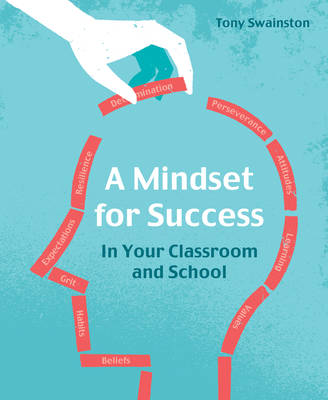
It is critical for schools to move away from the many talent and IQ myths that presently exist and to stop categorising students in a way that damages their ability to grow and develop. Tony outlines key practical steps that can be taken in order to do just this, building instead a growth mindset culture in all classrooms and across schools.A mindset for success can benefit everyone by giving more meaning to learning that, in turn, brings greater fulfilment for teachers and pupils. A Mindset for Success illustrates how grit, resilience, determination and perseverance can be nurtured in every child, enabling them to take on the challenges of life and our changing world, which will lead them to greater academic success and personal happiness. By exploring the importance of emotional intelligence and student well-being, it offers a holistic view of the academic and social development of students.Educators will no doubt be aware of the theory of fixed and growth mindsets. That success can be a self-fulfilling prophecy and that attitudes to, and beliefs about, learning and intelligence profoundly influence academic outcomes is well-established. But how do you actually apply this in order to transform learning in classrooms and the organisational culture in schools? Drawing on ideas and research by Hattie, Dweck, Seligman, Goleman and Ericsson, amongst others, Tony outlines the latest thinking about mindsets and explores what schools can do to make a difference. Class teachers will find a plethora of techniques to get the best out of their learners, including strategies for coaching and deliberate practice, and affirmations to increase motivation and autonomy. For head teachers and senior leaders, there is advice about how to consistently involve all teachers, support staff and parents in order to have the greatest impact upon students' mindsets.A practical guide to changing mindsets in schools. Suitable for teachers and school leaders.
Spécifications
Parties prenantes
- Auteur(s) :
- Editeur:
Contenu
- Nombre de pages :
- 252
- Langue:
- Anglais
Caractéristiques
- EAN:
- 9781785831973
- Date de parution :
- 25-07-17
- Format:
- Livre broché
- Format numérique:
- Trade paperback (VS)
- Dimensions :
- 180 mm x 218 mm
- Poids :
- 521 g


Seulement chez Librairie Club
+ 69 points sur votre carte client de Librairie Club
Cadeau


Les avis
Nous publions uniquement les avis qui respectent les conditions requises. Consultez nos conditions pour les avis.