Club utilise des cookies et des technologies similaires pour faire fonctionner correctement le site web et vous fournir une meilleure expérience de navigation.
Ci-dessous vous pouvez choisir quels cookies vous souhaitez modifier :
Club utilise des cookies et des technologies similaires pour faire fonctionner correctement le site web et vous fournir une meilleure expérience de navigation.
Nous utilisons des cookies dans le but suivant :
Assurer le bon fonctionnement du site web, améliorer la sécurité et prévenir la fraude
Avoir un aperçu de l'utilisation du site web, afin d'améliorer son contenu et ses fonctionnalités
Pouvoir vous montrer les publicités les plus pertinentes sur des plateformes externes
Club utilise des cookies et des technologies similaires pour faire fonctionner correctement le site web et vous fournir une meilleure expérience de navigation.
Ci-dessous vous pouvez choisir quels cookies vous souhaitez modifier :
Cookies techniques et fonctionnels
Ces cookies sont indispensables au bon fonctionnement du site internet et vous permettent par exemple de vous connecter. Vous ne pouvez pas désactiver ces cookies.
Cookies analytiques
Ces cookies collectent des informations anonymes sur l'utilisation de notre site web. De cette façon, nous pouvons mieux adapter le site web aux besoins des utilisateurs.
Cookies marketing
Ces cookies partagent votre comportement sur notre site web avec des parties externes, afin que vous puissiez voir des publicités plus pertinentes de Club sur des plateformes externes.
En raison d'une grève chez bpost, des retards de livraison peuvent survenir. Besoin de quelque chose en urgence ? Optez pour un retrait en magasin ou rendez-vous dans une Librairie Club à proximité.
Retrait en 2 heures
Assortiment impressionnant
Paiement sécurisé
Toujours un magasin près de chez vous

En raison d'une grève chez bpost, des retards de livraison peuvent survenir. Besoin de quelque chose en urgence ? Optez pour un retrait en magasin ou rendez-vous dans une Librairie Club à proximité.
Une erreur est survenue, veuillez réessayer plus tard.
Il y a trop d’articles dans votre panier
Vous pouvez encoder maximum 250 articles dans votre panier en une fois. Supprimez certains articles de votre panier ou divisez votre commande en plusieurs commandes.
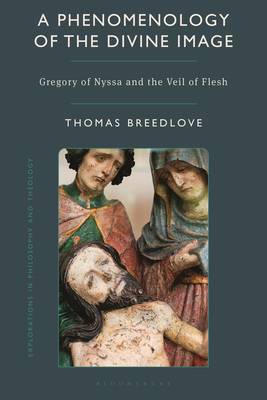
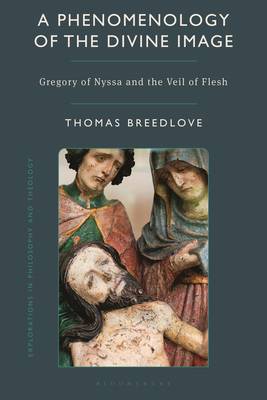
What does it mean to speak of humans as the image of God when apophatic theology speaks of an infinite God who transcends naming, comprehension, and worldly appearance? Bringing Church Father Gregory of Nyssa into dialogue with French phenomenology in Michel Henry, Maurice Merleau-Ponty, and Jean-Louis Chretien, Thomas Breedlove answers this question and explores the importance of embodiment to the doctrine of imago Dei.
Divided into three parts, this book presents the divine image not as merely one aspect of the human creature but rather as that which constitutes human creatureliness itself. So constituted, human nature is shaped by likeness and difference to God. Breedlove investigates this relationship between human and divine through three successive approaches. The first, in conversation with Merleau-Ponty, analyses the existential and phenomenological aspects of fleshly finitude as the paradigmatic site of the creature's difference from God. The second takes up Henry's philosophy of life alongside Gregory's metaphysics of participation to offer an account of creaturely life in its likeness or identity to divine life. The third, though conversation with Chrétien, examines the christological aspects of Gregory's anthropology in order to find the dynamic synthesis in which likeness and difference and presence and absence reveal a creaturely nature wounded by divine love.
In blending 4th-century theology with 20th-century phenomenology, Breedlove not only showcases the alternative perspectives they can offer each other, but further presents a novel theological anthropology and a new theological account of the flesh. He argues that the dynamism and groundlessness of creaturely flesh, where mind and body intersect, reveals what it means to be created as images of God. This revelation is founded in Christ, whose life reveals finitude not as an impediment to be overcome but as the very possibility of likeness to the divine.