


- Retrait en 2 heures
- Assortiment impressionnant
- Paiement sécurisé
- Toujours un magasin près de chez vous
- Retrait en 2 heures
- Assortiment impressionnant
- Paiement sécurisé
- Toujours un magasin près de chez vous



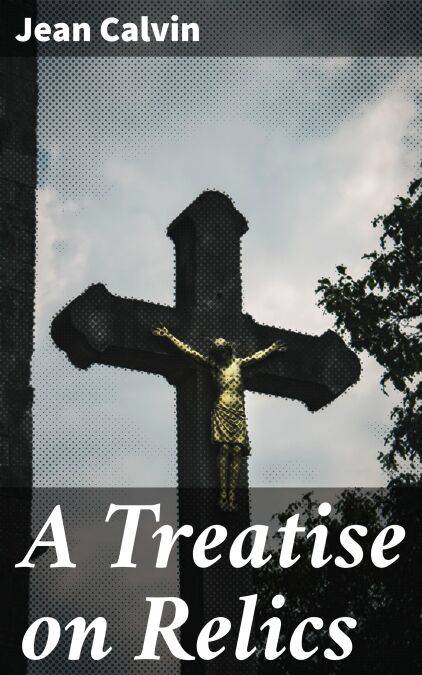
A Treatise on Relics EBOOK
Unveiling the Controversial World of Relic Veneration in the 16th Century
Jean Calvin
Ebook | Anglais
0,49 €
0,99 €
Description
In "A Treatise on Relics," Jean Calvin delivers a rigorous examination of the veneration of relics within the context of Reformation thought. Employing a sharp theological lens, Calvin deconstructs the practice of honoring physical remains and artifacts attributed to saints, arguing that such practices detract from the purity of worship and undermine the centrality of scripture. His articulate prose reflects the polemical and reformative fervor of 16th-century Protestantism, positioning the treatise as both a rebuttal to Catholic traditions and an assertion of Reformed doctrines, emphasizing personal faith over material intermediaries. Calvin, a key figure in the Protestant Reformation, was profoundly influenced by his commitment to a return to scriptural authority and a rejection of perceived ecclesiastical abuses. His education in law and theology, combined with his pastoral experiences, equipped him to address the complexities of faith and practice in a rapidly changing religious landscape. His theological insights stemmed from a deep conviction that the true essence of Christianity lay within the unmediated relationship between the believer and God, rather than through relics. This treatise is essential for those seeking to understand the historical and theological arguments surrounding the Reformation. It serves as both a critical analysis of relics and a profound contribution to Protestant thought, making it invaluable for scholars and lay readers interested in the dynamics of faith and practice during a pivotal period in church history.
Spécifications
Parties prenantes
- Auteur(s) :
- Traducteur(s):
- Editeur:
Contenu
- Nombre de pages :
- 268
- Langue:
- Anglais
Caractéristiques
- EAN:
- 4064066102203
- Date de parution :
- 15-03-20
- Format:
- Ebook
- Protection digitale:
- Digital watermarking
- Format numérique:
- ePub



Seulement chez Librairie Club
Cadeau


Les avis
Nous publions uniquement les avis qui respectent les conditions requises. Consultez nos conditions pour les avis.