


- Retrait en 2 heures
- Assortiment impressionnant
- Paiement sécurisé
- Toujours un magasin près de chez vous
- Retrait en 2 heures
- Assortiment impressionnant
- Paiement sécurisé
- Toujours un magasin près de chez vous



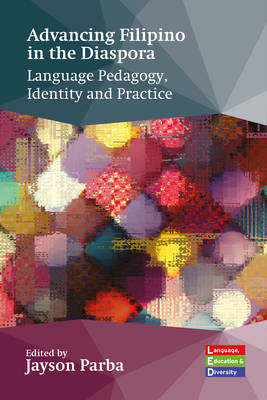
Advancing Filipino in the Diaspora
Language Pedagogy, Identity and Practice
241,95 €
+ 483 points
Description
Challenges monolingual and nationalist language frameworks, advocating instead for translingual and diasporic perspectives
This edited volume examines Filipino language education across diaspora contexts, exploring how migration and sociopolitical conditions shape language use, identity, teaching and maintenance. Addressing a major gap in heritage language education and applied linguistics, it foregrounds the underrepresented work of Filipino language educators and highlights grassroots, community-driven work. It challenges native speakerism and monolingual ideologies to promote more inclusive, dynamic and translingual approaches to Filipino as a diasporic and evolving language, not confined to homeland or Tagalog-centric norms. Through sections on theoretical framing, identity and classroom pedagogy, the book highlights innovative teaching practices, community engagement and the evolving, lived realities of Filipino language across global contexts. It underscores the vitality of Filipino language in the diaspora and will be of interest to language educators, researchers and activists in Filipino language education, sociolinguistics and Philippine studies.
Spécifications
Parties prenantes
- Editeur:
Contenu
- Nombre de pages :
- 272
- Langue:
- Anglais
- Collection :
- Tome:
- n° 9
Caractéristiques
- EAN:
- 9781788921329
- Date de parution :
- 17-11-26
- Format:
- Livre relié
- Format numérique:
- Genaaid
- Dimensions :
- 156 mm x 234 mm

Seulement chez Librairie Club
+ 483 points sur votre carte client de Librairie Club
Cadeau


Les avis
Nous publions uniquement les avis qui respectent les conditions requises. Consultez nos conditions pour les avis.