


- Retrait en 2 heures
- Assortiment impressionnant
- Paiement sécurisé
- Toujours un magasin près de chez vous
- Retrait en 2 heures
- Assortiment impressionnant
- Paiement sécurisé
- Toujours un magasin près de chez vous




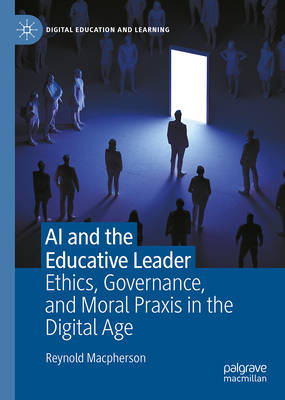
AI and the Educative Leader
Ethics, Governance, and Moral PRAXIS in the Digital Age
Reynold MacPherson
162,45 €
+ 324 points
Description
This book synthesises cutting-edge scholarship on artificial intelligence, democratic theory, and educational leadership with three long-standing intellectual pillars of the author's work: Deweyan pragmatism and inquiry-based moral reasoning, non-foundational epistemology, and moral craftsmanship as the practical enactment of ethical leadership. The book examines how AI is reconfiguring agency, authority, and public reason; how algorithmic systems threaten or support democratic life; how educators and civic leaders can cultivate ethical judgment in AI-mediated environments; and how institutions can design governance structures that protect transparency, accountability, and the public good. The distinctive argument is that educative leadership--leadership that intentionally cultivates inquiry, critical consciousness, and collective learning simultaneously at personal, institutional and system levels--is essential to preserving democratic integrity against the combined risks of algorithmic misinformation, surveillance capitalism, digital authoritarianism, and cyber insecurity.
Spécifications
Parties prenantes
- Auteur(s) :
- Editeur:
Contenu
- Langue:
- Anglais
- Collection :
Caractéristiques
- EAN:
- 9783032240880
- Date de parution :
- 11-12-26
- Format:
- Livre relié
- Format numérique:
- Genaaid
- Dimensions :
- 148 mm x 210 mm


Seulement chez Librairie Club
+ 324 points sur votre carte client de Librairie Club
Cadeau


Les avis
Nous publions uniquement les avis qui respectent les conditions requises. Consultez nos conditions pour les avis.