


En raison d'une grève chez bpost, des retards de livraison peuvent survenir. Besoin de quelque chose en urgence ? Optez pour un retrait en magasin ou rendez-vous dans une Librairie Club à proximité.
- Retrait en 2 heures
- Assortiment impressionnant
- Paiement sécurisé
- Toujours un magasin près de chez vous
En raison d'une grève chez bpost, des retards de livraison peuvent survenir. Besoin de quelque chose en urgence ? Optez pour un retrait en magasin ou rendez-vous dans une Librairie Club à proximité.
- Retrait en 2 heures
- Assortiment impressionnant
- Paiement sécurisé
- Toujours un magasin près de chez vous



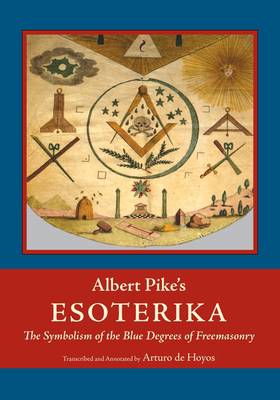
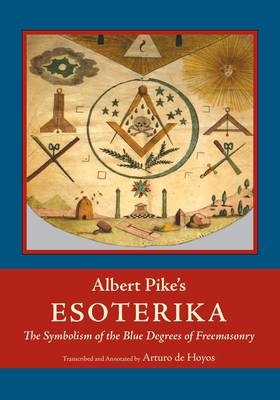
Albert Pike's Esoterika
Symbolism of the Blue Degrees of Freemasonry: Albert Pike's "Esoterika"
Albert Pike
Livre broché | Anglais
54,45 €
+ 108 points
Description
Freemasonry, the world's oldest and largest fraternity, has been famously described as "a system of morality, in allegory and illustrated by symbols." One of the fraternity's hallmarks, however, is a relaxed attitude in regard to the interpretation of symbolism, since very few of its symbols are clearly explained in the rituals. Rather, the Fraternity encourages its members to investigate the symbols themselves. In this never-before-published work, Albert Pike turns his profound erudition and penetrating intellect to an investigation of the sources and meanings of the oldest and most frequently encountered Masonic symbols. Pike was arguably the most notable character in the history of Scottish Rite Freemasonry, as he revised its constitutions and rituals, and wrote scores of works that influenced the practices of virtually every Supreme Council worldwide. Pike, who believed that symbolism was the "soul of Masonry," was dissatisfied with the "diet of straw" fed to students of Masonic symbolism. is led him to investigate the esoteric sources he believed contributed their wisdom to the Fraternity in an attempt to rationally account for their introduction and significance. He prepared and printed, in limited editions, two studies on Masonic symbolism, but many questions were left unanswered. In addition, he prepared the present text under the title, Esoterika, but he considered it too esoteric to be printed. It thus remained in manuscript in the private archives of the Supreme Council where only a handful Masons have been allowed to see it.
Now in its second edition, this book includes the summation of Pike's many private discourses and lectures which kept audiences spellbound for hours on end. It treats such topic as the "Square and Compasses," "Weapons and Blows of the Assassins," "The 47th Problem," and much more. The editor has added an introduction, additional illustrations, copious critical notes, and several appendices, which double the length of the original manuscript. Among the appendices are the complete texts of four early catechisms and exposés Pike mentioned throughout his study. Although these exposures differ greatly from Freemasonry as practiced today, they may help us understand how Pike arrived at his ideas.
Spécifications
Parties prenantes
- Auteur(s) :
- Traducteur(s):
- Editeur:
Contenu
- Nombre de pages :
- 512
- Langue:
- Anglais
Caractéristiques
- EAN:
- 9781637236666
- Date de parution :
- 10-03-26
- Format:
- Livre broché
- Format numérique:
- Trade paperback (VS)
- Dimensions :
- 178 mm x 254 mm
- Poids :
- 879 g


Seulement chez Librairie Club
+ 108 points sur votre carte client de Librairie Club
Cadeau


Les avis
Nous publions uniquement les avis qui respectent les conditions requises. Consultez nos conditions pour les avis.