


- Retrait en 2 heures
- Assortiment impressionnant
- Paiement sécurisé
- Toujours un magasin près de chez vous
- Retrait en 2 heures
- Assortiment impressionnant
- Paiement sécurisé
- Toujours un magasin près de chez vous



Description
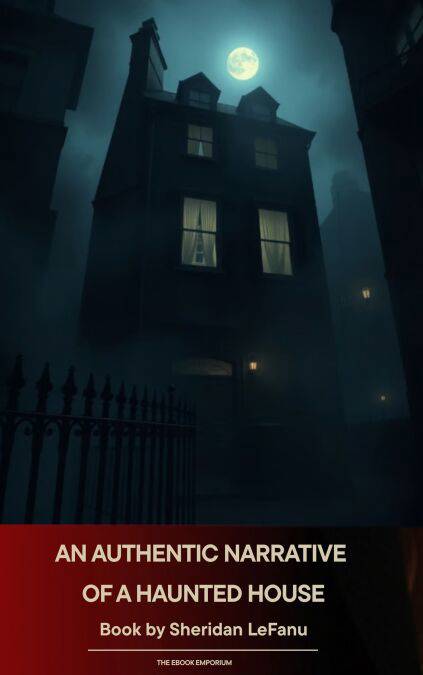
"It was not a dream; the door had opened, and the thing was in the room."
Breaking away from the sensationalist Gothic tropes of his time, Le Fanu presents a chillingly sober account of a family's residence in a house plagued by the inexplicable. Set in a quiet, unassuming suburb, the narrative details a series of escalating disturbances: soft footsteps following residents down corridors, doors that unlock themselves, and the recurring apparition of a hand on a banister. Unlike the ghosts of old, these spirits are silent, indifferent, and terrifyingly persistent. This "authentic narrative" strips away the melodrama to focus on the raw, psychological dread of living with the unknown, creating a blueprint for haunted house stories that is still used in cinema today.
The Horror of the Mundane: Le Fanu's genius lies in his restraint. He understands that a ghost seen in the bright light of a Victorian afternoon is far more unsettling than one found in a graveyard at midnight. By grounding the "narrative" in the boring details of daily life—household chores, tea times, and servant gossip—he makes the eventual appearance of the "woman in white" feel disturbingly real.
A Pioneer of the "Found Footage" Style: By framing the story as a factual report, Le Fanu pioneered the "investigative" style of horror. He includes specific dates, descriptions of witnesses, and a clinical tone that forces the reader to question the boundary between fiction and reality. This approach directly influenced later masters like M.R. James and Shirley Jackson.
The Psychological Toll: The book explores the "contagion" of fear—how the haunting affects each member of the household differently, leading to a climate of paranoia and exhaustion. It is a brilliant study of how a space meant for safety and privacy can be transformed into a site of inescapable vulnerability.
Enter the house if you dare. Purchase this landmark of supernatural history today.
Breaking away from the sensationalist Gothic tropes of his time, Le Fanu presents a chillingly sober account of a family's residence in a house plagued by the inexplicable. Set in a quiet, unassuming suburb, the narrative details a series of escalating disturbances: soft footsteps following residents down corridors, doors that unlock themselves, and the recurring apparition of a hand on a banister. Unlike the ghosts of old, these spirits are silent, indifferent, and terrifyingly persistent. This "authentic narrative" strips away the melodrama to focus on the raw, psychological dread of living with the unknown, creating a blueprint for haunted house stories that is still used in cinema today.
The Horror of the Mundane: Le Fanu's genius lies in his restraint. He understands that a ghost seen in the bright light of a Victorian afternoon is far more unsettling than one found in a graveyard at midnight. By grounding the "narrative" in the boring details of daily life—household chores, tea times, and servant gossip—he makes the eventual appearance of the "woman in white" feel disturbingly real.
A Pioneer of the "Found Footage" Style: By framing the story as a factual report, Le Fanu pioneered the "investigative" style of horror. He includes specific dates, descriptions of witnesses, and a clinical tone that forces the reader to question the boundary between fiction and reality. This approach directly influenced later masters like M.R. James and Shirley Jackson.
The Psychological Toll: The book explores the "contagion" of fear—how the haunting affects each member of the household differently, leading to a climate of paranoia and exhaustion. It is a brilliant study of how a space meant for safety and privacy can be transformed into a site of inescapable vulnerability.
Enter the house if you dare. Purchase this landmark of supernatural history today.
Spécifications
Parties prenantes
- Auteur(s) :
- Editeur:
Contenu
- Nombre de pages :
- 26
- Langue:
- Anglais
Caractéristiques
- EAN:
- 9791070054673
- Date de parution :
- 12-01-26
- Format:
- Ebook
- Protection digitale:
- Digital watermarking
- Format numérique:
- ePub


Seulement chez Librairie Club
Cadeau


Les avis
Nous publions uniquement les avis qui respectent les conditions requises. Consultez nos conditions pour les avis.