


- Retrait en 2 heures
- Assortiment impressionnant
- Paiement sécurisé
- Toujours un magasin près de chez vous
- Retrait en 2 heures
- Assortiment impressionnant
- Paiement sécurisé
- Toujours un magasin près de chez vous



19,99 €
+ 19 points
Description
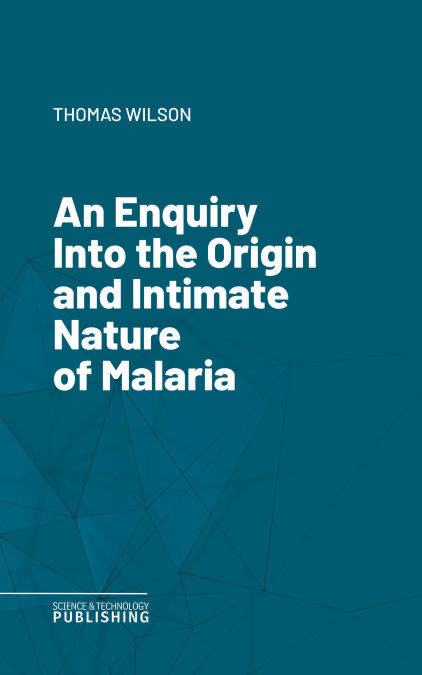
An Enquiry Into the Origin and Intimate Nature of Malaria by J. W. L. Glaisher is a comprehensive scientific treatise from the late 19th century that delves into the perplexing and deadly phenomenon of malaria. Drawing upon contemporary research, personal observations, and a wide array of historical sources, Glaisher meticulously examines the prevailing theories of his time regarding the causes and transmission of malaria. The book explores the environmental, atmospheric, and geographical factors associated with the disease, including the roles of marshes, stagnant water, and climatic conditions. Glaisher critically analyzes the miasmatic theory, which posited that malaria was caused by noxious vapors or bad air, and contrasts it with emerging ideas about the involvement of living organisms in disease transmission. Throughout the text, Glaisher presents detailed case studies, statistical data, and comparative analyses of malaria outbreaks in various regions, from the British Isles to the tropics. He investigates the influence of soil composition, vegetation, and human activity on the prevalence of malaria, and discusses the impact of drainage, land reclamation, and other public health interventions. The book also addresses the symptoms, progression, and treatment of malaria, offering insights into the medical practices and challenges of the era. Glaisher’s work stands as a testament to the scientific curiosity and rigor of the period, capturing the transitional moment in medical history just before the discovery of the mosquito as the vector of malaria. Rich in detail and reflective of the intellectual climate of the 19th century, An Enquiry Into the Origin and Intimate Nature of Malaria is an invaluable resource for historians of medicine, public health professionals, and anyone interested in the evolution of scientific understanding of infectious diseases.
Spécifications
Parties prenantes
- Auteur(s) :
- Editeur:
Contenu
- Langue:
- Anglais
Caractéristiques
- EAN:
- 9782528116906
- Date de parution :
- 31-08-25
- Format:
- Ebook
- Protection digitale:
- /
- Format numérique:
- ePub


Seulement chez Librairie Club
+ 19 points sur votre carte client de Librairie Club
Cadeau


Les avis
Nous publions uniquement les avis qui respectent les conditions requises. Consultez nos conditions pour les avis.