


- Retrait en 2 heures
- Assortiment impressionnant
- Paiement sécurisé
- Toujours un magasin près de chez vous
- Retrait en 2 heures
- Assortiment impressionnant
- Paiement sécurisé
- Toujours un magasin près de chez vous



0,49 €
0,99 €
Format
Description
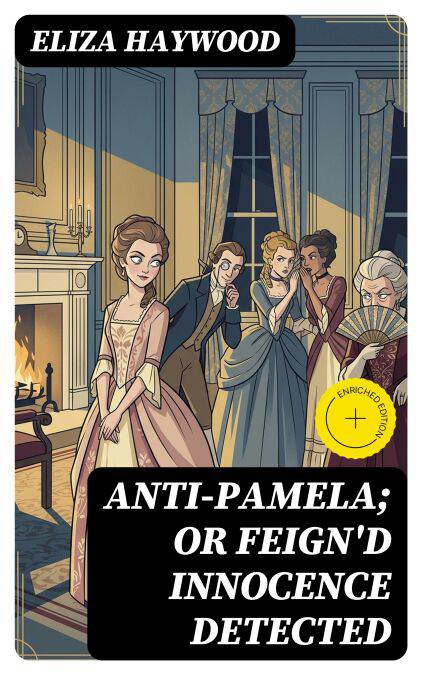
In "Anti-Pamela; or Feign'd Innocence Detected," Eliza Haywood crafts a satirical response to Samuel Richardson's "Pamela," addressing the themes of virtue, seduction, and the complexities of female agency in the early 18th century. Employing a deft use of irony and vivid characterizations, Haywood's narrative follows the misadventures of a young woman whose pretense of innocence acts as both a defense and an invitation to manipulation. The book is rich in dialogue and social commentary, effectively capturing the cultural anxieties surrounding women's morality and the societal pressures they navigate. Eliza Haywood was a prominent author during the rise of the novel, known for her keen insights into gender dynamics and her critiques of contemporary literature. A prolific writer, Haywood's experiences as a woman in a male-dominated publishing industry inevitably informed her creative choices. Her engagement with the themes of innocence and deception reflects not only her awareness of the societal expectations placed on women but also a profound understanding of their struggles for autonomy and expression in a rapidly evolving literary landscape. "Anti-Pamela" is essential reading for those interested in feminist literature, satire, and the evolution of the novel form. Haywood's sharp wit and keen observations provide an indispensable counterpoint to Richardson's work and open a dialogue about the nature of virtue and authenticity. Scholars and casual readers alike will find this work a compelling exploration of the intersections of gender and narrative in the 18th century.
In this enriched edition, we have carefully created added value for your reading experience:
- A succinct Introduction situates the work's timeless appeal and themes.
- The Synopsis outlines the central plot, highlighting key developments without spoiling critical twists.
- A detailed Historical Context immerses you in the era's events and influences that shaped the writing.
- A thorough Analysis dissects symbols, motifs, and character arcs to unearth underlying meanings.
- Reflection questions prompt you to engage personally with the work's messages, connecting them to modern life.
- Hand‐picked Memorable Quotes shine a spotlight on moments of literary brilliance.
- Interactive footnotes clarify unusual references, historical allusions, and archaic phrases for an effortless, more informed read.
In this enriched edition, we have carefully created added value for your reading experience:
- A succinct Introduction situates the work's timeless appeal and themes.
- The Synopsis outlines the central plot, highlighting key developments without spoiling critical twists.
- A detailed Historical Context immerses you in the era's events and influences that shaped the writing.
- A thorough Analysis dissects symbols, motifs, and character arcs to unearth underlying meanings.
- Reflection questions prompt you to engage personally with the work's messages, connecting them to modern life.
- Hand‐picked Memorable Quotes shine a spotlight on moments of literary brilliance.
- Interactive footnotes clarify unusual references, historical allusions, and archaic phrases for an effortless, more informed read.
Spécifications
Parties prenantes
- Auteur(s) :
- Editeur:
Contenu
- Nombre de pages :
- 170
- Langue:
- Anglais
Caractéristiques
- EAN:
- 8596547099284
- Date de parution :
- 20-07-22
- Format:
- Ebook
- Protection digitale:
- Digital watermarking
- Format numérique:
- ePub


Seulement chez Librairie Club
Cadeau


Les avis
Nous publions uniquement les avis qui respectent les conditions requises. Consultez nos conditions pour les avis.