


- Retrait en 2 heures
- Assortiment impressionnant
- Paiement sécurisé
- Toujours un magasin près de chez vous
- Retrait en 2 heures
- Assortiment impressionnant
- Paiement sécurisé
- Toujours un magasin près de chez vous



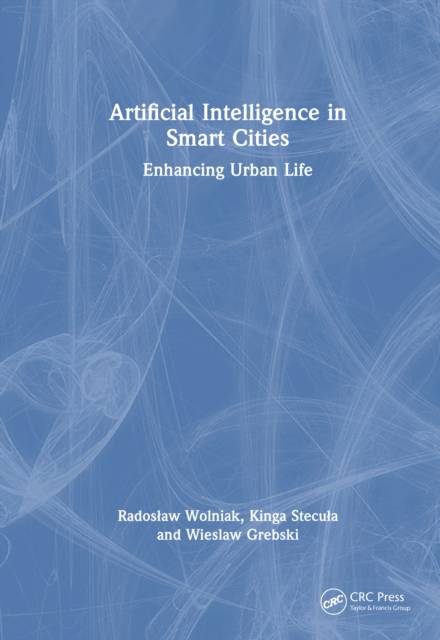
Artificial Intelligence in Smart Cities
Enhancing Urban Life
Radoslaw Wolniak, Kinga Stecula, Wieslaw Grebski
Livre relié | Anglais
274,95 €
+ 549 points
Format
Description
Artificial Intelligence in Smart Cities presents an interdisciplinary and comprehensive analysis of how AI re-engineers urban life, governance, and infrastructure.
Spécifications
Parties prenantes
- Auteur(s) :
- Editeur:
Contenu
- Nombre de pages :
- 140
- Langue:
- Anglais
Caractéristiques
- EAN:
- 9781032960210
- Date de parution :
- 19-02-26
- Format:
- Livre relié
- Format numérique:
- Genaaid
- Dimensions :
- 178 mm x 254 mm
- Poids :
- 485 g



Seulement chez Librairie Club
+ 549 points sur votre carte client de Librairie Club
Cadeau


Les avis
Nous publions uniquement les avis qui respectent les conditions requises. Consultez nos conditions pour les avis.