

- Retrait en 2 heures
- Assortiment impressionnant
- Paiement sécurisé
- Toujours un magasin près de chez vous
- Retrait en 2 heures
- Assortiment impressionnant
- Paiement sécurisé
- Toujours un magasin près de chez vous


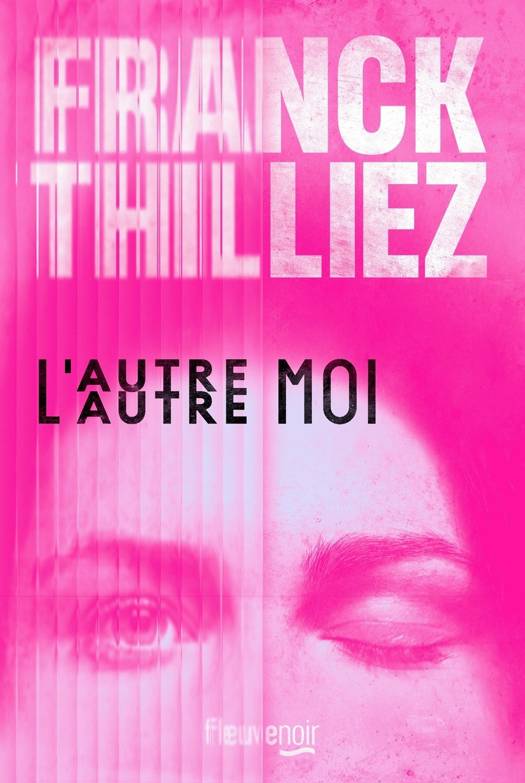
Baled Hay: A Drier Book than Walt Whitman's "Leaves o' Grass" EBOOK
Enriched edition. Unveiling the Witty World of Rural America in the 19th Century
Bill Nye
Ebook | Anglais
0,99 €
Description
In "Baled Hay: A Drier Book than Walt Whitman's 'Leaves o' Grass,'" Bill Nye employs his trademark wit and comedic insight to explore the simple yet profound aspects of agrarian life in America. The text, blending anecdotes with insightful commentary, constructs a rural tapestry that challenges the pastoral ideals often glorified in literature. Nye's prose, while humorous, contains an undercurrent of serious contemplation about the interconnectedness of human experience and nature, drawing an implicit contrast to Whitman's romanticism by presenting the often overlooked toil of haymaking as a metaphor for work in the human condition. Bill Nye, a prominent figure of 19th-century American humor, is no stranger to using his pen as a tool for social commentary, reflecting the zeitgeist of his time. His experiences as a traveling performer and keen observer of American life undoubtedly influenced his perspective, enabling him to address topics like farming with depth and levity. This background not only lends authenticity to his storytelling but also situates his work within a broader dialogue about the American landscape and its evolving narrative. "Baled Hay" is highly recommended for readers interested in agricultural history, Americana, and the fusion of humor with philosophical inquiry. Nye's work invites readers to reassess their understanding of the rural experience while offering a fresh lens through which to view the complexities of life beyond the hustle of urban existence. Engaging and thought-provoking, this book promises to entertain and enlighten.
In this enriched edition, we have carefully created added value for your reading experience:
- A succinct Introduction situates the work's timeless appeal and themes.
- The Synopsis outlines the central plot, highlighting key developments without spoiling critical twists.
- A detailed Historical Context immerses you in the era's events and influences that shaped the writing.
- A thorough Analysis dissects symbols, motifs, and character arcs to unearth underlying meanings.
- Reflection questions prompt you to engage personally with the work's messages, connecting them to modern life.
- Hand‐picked Memorable Quotes shine a spotlight on moments of literary brilliance.
- Interactive footnotes clarify unusual references, historical allusions, and archaic phrases for an effortless, more informed read.
In this enriched edition, we have carefully created added value for your reading experience:
- A succinct Introduction situates the work's timeless appeal and themes.
- The Synopsis outlines the central plot, highlighting key developments without spoiling critical twists.
- A detailed Historical Context immerses you in the era's events and influences that shaped the writing.
- A thorough Analysis dissects symbols, motifs, and character arcs to unearth underlying meanings.
- Reflection questions prompt you to engage personally with the work's messages, connecting them to modern life.
- Hand‐picked Memorable Quotes shine a spotlight on moments of literary brilliance.
- Interactive footnotes clarify unusual references, historical allusions, and archaic phrases for an effortless, more informed read.
Spécifications
Parties prenantes
- Auteur(s) :
- Editeur:
Contenu
- Nombre de pages :
- 1591
- Langue:
- Anglais
Caractéristiques
- EAN:
- 4064066216542
- Date de parution :
- 08-12-19
- Format:
- Ebook
- Protection digitale:
- Digital watermarking
- Format numérique:
- ePub


Seulement chez Librairie Club
Cadeau


Les avis
Nous publions uniquement les avis qui respectent les conditions requises. Consultez nos conditions pour les avis.