


- Retrait en 2 heures
- Assortiment impressionnant
- Paiement sécurisé
- Toujours un magasin près de chez vous
- Retrait gratuit dans votre magasin Club
- 7.000.0000 titres dans notre catalogue
- Payer en toute sécurité
- Toujours un magasin près de chez vous



Description
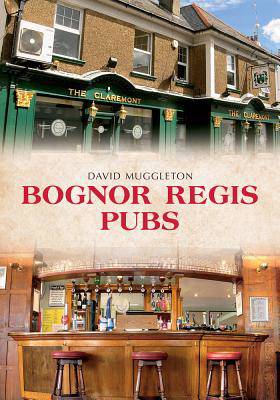
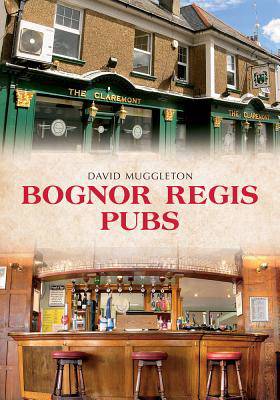
Once a small fishing hamlet, the origins of modern Bognor Regis (the royal suffix was added in 1929) lie in the attempt by Richard Hotham to develop this part of the south coast as a fashionable resort in the late 18th-century. Hotham's original profession is given in the name of the town's JD Wetherspoon outlet, the Hatter's Inn, while the pub originally called the Railway Inn has recently been renamed the Hothampton Arms in memory of Hotham's preferred name for his resort. The oldest still-trading pub in the town is the William Hardwick, built by 1817 as the New Inn. In what were once the separate villages, now suburbs, of Felpham, Bersted, Pagham, there are inns of greater age, such as the Royal Oak (also known as the Pink Pub) at North Bersted, probably of the 17th century. Bognor expanded with the arrival of the railway in 1864, which led to the building of new pubs such as the Terminus and the development of those already existing, such as the Alexander Tavern. David Muggleton takes us on a walking tour of this seaside town taking in the ex-Berkeley Arms, now home to the town museum, the Claremont Inn, the interwar interior of which makes it a CAMRA heritage pub of some regional importance; and the Punch & Judy, originally the Orlando, but recently renamed in reminder of the Tony Hancock film The Punch & July Man, filmed partly on location in the town. Well researched and beautifully illustrated, Bognor Pubs provides something for everyone, whether they have lived in this venerable old seaside resort all their lives, or visiting this part of the West Sussex coast for the first time.
Spécifications
Parties prenantes
- Auteur(s) :
- Editeur:
Contenu
- Nombre de pages :
- 96
- Langue:
- Anglais
- Collection :
Caractéristiques
- EAN:
- 9781445681092
- Date de parution :
- 01-04-19
- Format:
- Livre broché
- Format numérique:
- Trade paperback (VS)
- Dimensions :
- 165 mm x 235 mm
- Poids :
- 299 g


Seulement chez Librairie Club
+ 44 points sur votre carte client de Librairie Club
Cadeau

Cadeau


Les avis
Nous publions uniquement les avis qui respectent les conditions requises. Consultez nos conditions pour les avis.