


- Retrait en 2 heures
- Assortiment impressionnant
- Paiement sécurisé
- Toujours un magasin près de chez vous
- Retrait en 2 heures
- Assortiment impressionnant
- Paiement sécurisé
- Toujours un magasin près de chez vous



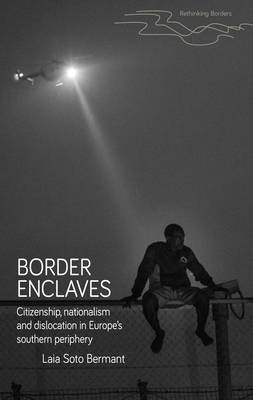
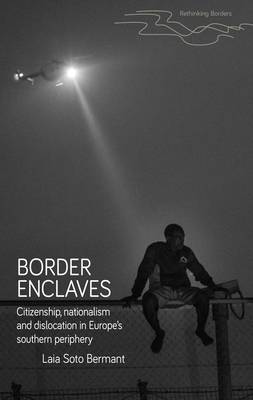
Border Enclaves
An Ethnography of a Contested Territory in Europe's Southern Periphery
Laia Soto Bermant
209,45 €
+ 418 points
Description
Border enclaves examines the Spanish enclave of Melilla as a prism for understanding Europe's contemporary dislocations. Based on over a decade of ethnographic research, it explores how borders are enforced, contested and inhabited in a city suspended between Africa and Europe, colonial legacies and modern regimes. Through a polyphonic narrative following smugglers, migrants, teachers and politicians, it reveals how everyday practices and symbolic performances shape life in the enclave. Selective visibility--who is seen or erased--structures authority and exclusion.
Situating Melilla within broader processes like Spain's colonial history and Europe's border restructuring, the book argues that its fragmented sovereignties and external dependencies make it a paradigmatic site for grasping Europe's precarious margins. It calls for an ethnographic lens attuned to dislocation as both lived experience and analytic tool.
Spécifications
Parties prenantes
- Auteur(s) :
- Editeur:
Contenu
- Nombre de pages :
- 216
- Langue:
- Anglais
- Collection :
Caractéristiques
- EAN:
- 9781526190635
- Date de parution :
- 26-05-26
- Format:
- Livre relié
- Format numérique:
- Genaaid
- Dimensions :
- 156 mm x 234 mm
- Poids :
- 480 g


Seulement chez Librairie Club
+ 418 points sur votre carte client de Librairie Club
Cadeau


Les avis
Nous publions uniquement les avis qui respectent les conditions requises. Consultez nos conditions pour les avis.