


- Retrait en 2 heures
- Assortiment impressionnant
- Paiement sécurisé
- Toujours un magasin près de chez vous
- Retrait en 2 heures
- Assortiment impressionnant
- Paiement sécurisé
- Toujours un magasin près de chez vous



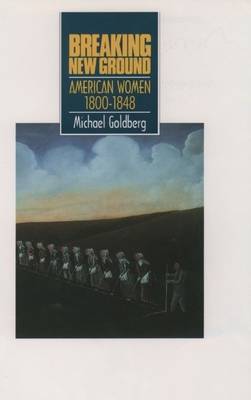
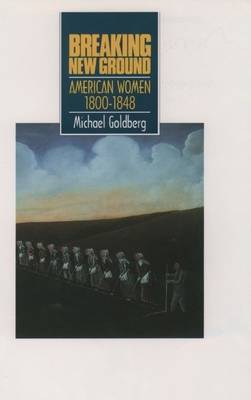
Description
The beginning of the 19th century saw much of the population move from farms to cities as jobs in the new mills and factories became plentiful. An urban middle class developed and with it new roles and challenges for women in marriage, work, education, and politics. Many women were offered opportunities and responsibilities that had formerly been for men alone.
More women sought work outside the home, but they had few choices, earned little money, and in almost every case the work they did--in the textile mills of New England, as teachers, in domestic service--was connected to women's traditional work in the home. African- American women had even less choice of jobs. Slaveholders cared little about preserving a "women's sphere" for field workers and women were sent to the fields just as men were. White southern plantation women and privileged women in the north claimed and exercised a power in the home that they were denied in public, as they managed and oversaw their "domestics"--women who worked in the home as slaves or for minimal wages. And privileged young women sought an education nearly equal to that of men as women's seminaries and colleges began to provide demanding and extensive courses of study.
Westward expansion offerred opportunities of a different sort. Women who joined the movement to seek new lands were faced with hardship, but also with adventure and the promise of new prospects. Native American and Hispanic women whose lands were being conquered by the onrushing Americans had little consolation. Their way of life took a dramatic turn for the worse as settlers took their land, and missionaries modified their culture.
These years leading to the Seneca Falls Convention of 1848, the first for women's rights in the United States, were a time of awakening. Through education, religion, and social reform, women began to understand their ability to influence events. Margaret Fuller, Mother Seton, Lucy Stone, and Harriet Beecher Stowe are but a few of the women who left their marks as women began Breaking New Ground.
More women sought work outside the home, but they had few choices, earned little money, and in almost every case the work they did--in the textile mills of New England, as teachers, in domestic service--was connected to women's traditional work in the home. African- American women had even less choice of jobs. Slaveholders cared little about preserving a "women's sphere" for field workers and women were sent to the fields just as men were. White southern plantation women and privileged women in the north claimed and exercised a power in the home that they were denied in public, as they managed and oversaw their "domestics"--women who worked in the home as slaves or for minimal wages. And privileged young women sought an education nearly equal to that of men as women's seminaries and colleges began to provide demanding and extensive courses of study.
Westward expansion offerred opportunities of a different sort. Women who joined the movement to seek new lands were faced with hardship, but also with adventure and the promise of new prospects. Native American and Hispanic women whose lands were being conquered by the onrushing Americans had little consolation. Their way of life took a dramatic turn for the worse as settlers took their land, and missionaries modified their culture.
These years leading to the Seneca Falls Convention of 1848, the first for women's rights in the United States, were a time of awakening. Through education, religion, and social reform, women began to understand their ability to influence events. Margaret Fuller, Mother Seton, Lucy Stone, and Harriet Beecher Stowe are but a few of the women who left their marks as women began Breaking New Ground.
Spécifications
Parties prenantes
- Auteur(s) :
- Editeur:
Contenu
- Nombre de pages :
- 144
- Langue:
- Anglais
- Collection :
- Tome:
- n° 4
Caractéristiques
- EAN:
- 9780195082029
- Date de parution :
- 22-09-94
- Format:
- Livre relié
- Format numérique:
- Genaaid
- Dimensions :
- 199 mm x 244 mm
- Poids :
- 526 g


Seulement chez Librairie Club
+ 81 points sur votre carte client de Librairie Club
Cadeau


Les avis
Nous publions uniquement les avis qui respectent les conditions requises. Consultez nos conditions pour les avis.