


- Retrait en 2 heures
- Assortiment impressionnant
- Paiement sécurisé
- Toujours un magasin près de chez vous
- Retrait en 2 heures
- Assortiment impressionnant
- Paiement sécurisé
- Toujours un magasin près de chez vous



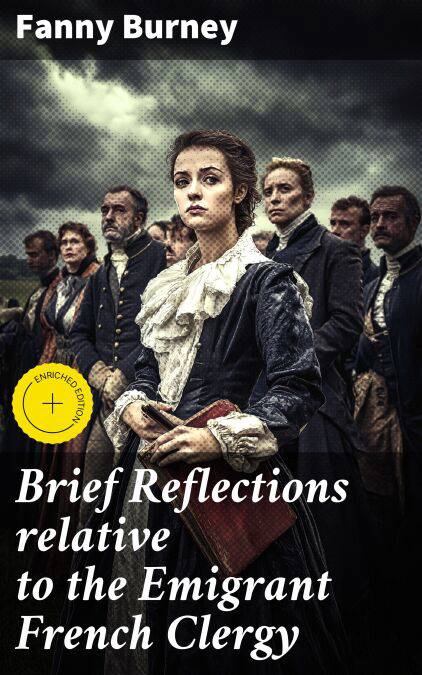
Brief Reflections relative to the Emigrant French Clergy EBOOK
Enriched edition. A Poignant Insight into French Clergy's Emigration during Revolution
Fanny Burney
Ebook | Anglais
0,99 €
Description
Fanny Burney's "Brief Reflections relative to the Emigrant French Clergy" is a poignant exploration of the plight faced by the French clergy who fled their homeland during the tumultuous period of the French Revolution. Written in a reflective and nuanced style, Burney engages the reader with incisive commentary on the cultural dislocation experienced by these individuals. Her work is set against the backdrop of late 18th-century England, where the tensions of revolution, faith, and the complexities of identity shape her narrative, compellingly blending personal anecdote with broader social critique. Fanny Burney, a significant figure in the development of the novel, was deeply influenced by her own experiences in a rapidly changing society. As a woman writer in an era dominated by male perspectives, she often grappled with themes of exile and loss. Her interactions with émigré clergy, who sought refuge in England, likely informed her compassionate approach to their struggles, as well as her interest in the broader implications of societal upheaval borne from the Revolution. This work is essential for readers interested in the intersection of literature, history, and the human condition. Burney's reflections not only provide insight into the psychological and social ramifications of displacement but also invite readers to contemplate the enduring questions of faith and identity, making it a valuable addition to the canon of both feminist and historical literature.
In this enriched edition, we have carefully created added value for your reading experience:
- A succinct Introduction situates the work's timeless appeal and themes.
- The Synopsis outlines the central plot, highlighting key developments without spoiling critical twists.
- A detailed Historical Context immerses you in the era's events and influences that shaped the writing.
- A thorough Analysis dissects symbols, motifs, and character arcs to unearth underlying meanings.
- Reflection questions prompt you to engage personally with the work's messages, connecting them to modern life.
- Hand‐picked Memorable Quotes shine a spotlight on moments of literary brilliance.
- Interactive footnotes clarify unusual references, historical allusions, and archaic phrases for an effortless, more informed read.
In this enriched edition, we have carefully created added value for your reading experience:
- A succinct Introduction situates the work's timeless appeal and themes.
- The Synopsis outlines the central plot, highlighting key developments without spoiling critical twists.
- A detailed Historical Context immerses you in the era's events and influences that shaped the writing.
- A thorough Analysis dissects symbols, motifs, and character arcs to unearth underlying meanings.
- Reflection questions prompt you to engage personally with the work's messages, connecting them to modern life.
- Hand‐picked Memorable Quotes shine a spotlight on moments of literary brilliance.
- Interactive footnotes clarify unusual references, historical allusions, and archaic phrases for an effortless, more informed read.
Spécifications
Parties prenantes
- Auteur(s) :
- Editeur:
Contenu
- Nombre de pages :
- 110
- Langue:
- Anglais
Caractéristiques
- EAN:
- 4064066145637
- Date de parution :
- 19-12-19
- Format:
- Ebook
- Protection digitale:
- Digital watermarking
- Format numérique:
- ePub



Seulement chez Librairie Club
Cadeau


Les avis
Nous publions uniquement les avis qui respectent les conditions requises. Consultez nos conditions pour les avis.