


- Retrait en 2 heures
- Assortiment impressionnant
- Paiement sécurisé
- Toujours un magasin près de chez vous
- Retrait en 2 heures
- Assortiment impressionnant
- Paiement sécurisé
- Toujours un magasin près de chez vous



22,45 €
+ 44 points
Description
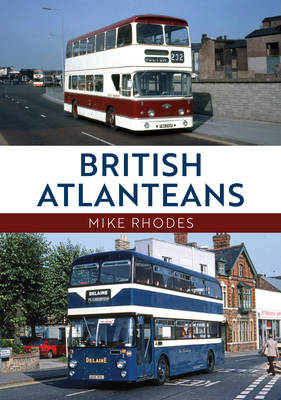
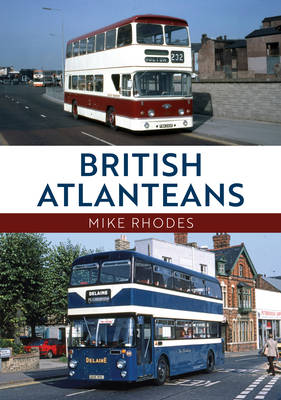
The Leyland Atlantean was in production from 1958 until 1986 and around 15,300 buses of the type were built over this period. Whilst over 3,500 were exported abroad, the remainder gave sterling service to over a hundred different operators in the UK. These ranged from the transport authorities of Glasgow and Liverpool, both of which accumulated large numbers of the type, to the small independent operators which bought them in penny numbers. The progression of this revolutionary bus, which placed the engine at the rear of the vehicle, went through an exhaustive development programme throughout the 1950s. The first production models were bodied by Alexander's, Metro-Cammell and Weymanns. In total eighteen different body builders were used by the mixture of operators with three builders completing just one bus each. Towards the end of the 1960s the bus was substantially re-engineered and was redesignated as the AN68 (with progressive variations), the first of which came off the production line in May 1972 and it proved to be even more reliable than the earlier versions. The last of the type were taken out of service in the 2010s but examples still survive in open-top form and can be seen around the UK.
Lavishly illustrated with a fascinating selection of previously unpublished images, Mike Rhodes documents the career and evolution of this groundbreaking bus.
Spécifications
Parties prenantes
- Auteur(s) :
- Editeur:
Contenu
- Nombre de pages :
- 96
- Langue:
- Anglais
Caractéristiques
- EAN:
- 9781398123250
- Date de parution :
- 15-09-25
- Format:
- Livre broché
- Format numérique:
- Trade paperback (VS)
- Dimensions :
- 165 mm x 234 mm
- Poids :
- 307 g


Seulement chez Librairie Club
+ 44 points sur votre carte client de Librairie Club
Cadeau


Les avis
Nous publions uniquement les avis qui respectent les conditions requises. Consultez nos conditions pour les avis.