


- Retrait en 2 heures
- Assortiment impressionnant
- Paiement sécurisé
- Toujours un magasin près de chez vous
- Retrait en 2 heures
- Assortiment impressionnant
- Paiement sécurisé
- Toujours un magasin près de chez vous



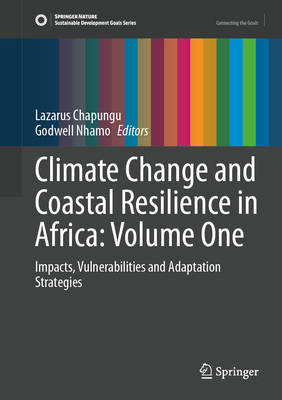
Climate Change and Coastal Resilience in Africa: Volume One
Impacts, Vulnerabilities and Adaptation Strategies
173,45 €
+ 346 points
Description
This contributed volume, the first in a set of two, is a multidisciplinary and interdisciplinary scholarly book volume focusing on how coastal communities across Africa are experiencing, interpreting, and responding to climate change. With rising sea levels, increasingly severe storms, a decline in biodiversity, and significant threats to livelihoods, the African coastline, home to millions, stands at the forefront of the climate crisis. This book gathers a wealth of perspectives from researchers and practitioners both within Africa and beyond, offering a comprehensive look at the vulnerabilities posed by climate change and the diverse strategies that communities, governments, and civil society are putting into action in response. Divided into thematic sections, the book combines empirical research with conceptual frameworks to guide practical adaptation and policymaking aimed at enhancing resilience in coastal areas. Africa's coastal areas play a pivotal role in the lives of millions of people, offering crucial resources, economic prospects, and ecological benefits. Stretching over 30,000 kilometers, the continent's coastline features some of the most productive marine ecosystems globally, which support fisheries, tourism, agriculture, and trade. Coastal communities rely significantly on these ecosystems for their livelihoods and economic activities, making them essential to both local and national economies. However, these regions are becoming more susceptible to the negative impacts of climate change. The effects of climate change on Africa's coastline are complex. Rising sea levels pose a risk of flooding in low-lying regions, forcing people to relocate and threatening agricultural land and food production. Ocean acidification and warmer waters are affecting marine ecosystems, resulting in a decrease in fish populations that are essential for food security and local economies. Extreme weather events, including cyclones and floods, are occurring more often and with greater intensity, causing damage to infrastructure, disrupting economic activities, and putting lives at risk. The proliferation of climate-induced disasters is also contributing to the deterioration of vital ecosystems such as mangroves and coral reefs that act as natural defenses which shield coastal areas from storm surges and erosion. The environmental challenges in coastal areas are compounded by socioeconomic vulnerabilities that exist in these areas. The existing literature indicates that the impacts associated with climate-induced challenges and socio-economic vulnerabilities disproportionately affect women, children, indigenous communities, and people living with disabilities. The book goes beyond merely documenting the challenges; it also seeks to elevate the voices of the communities affected and suggest practical solutions. It is a valuable resource for academics, policymakers, development practitioners, and climate justice advocates who are interested in the interplay between climate change, coastal ecosystems, and social resilience in Africa.
Spécifications
Parties prenantes
- Editeur:
Contenu
- Langue:
- Anglais
- Collection :
Caractéristiques
- EAN:
- 9783032275295
- Date de parution :
- 02-09-26
- Format:
- Livre relié
- Format numérique:
- Genaaid
- Dimensions :
- 178 mm x 254 mm

Seulement chez Librairie Club
+ 346 points sur votre carte client de Librairie Club
Cadeau


Les avis
Nous publions uniquement les avis qui respectent les conditions requises. Consultez nos conditions pour les avis.