


En raison d'une grève chez bpost, des retards de livraison peuvent survenir. Besoin de quelque chose en urgence ? Optez pour un retrait en magasin ou rendez-vous dans une Librairie Club à proximité.
- Retrait en 2 heures
- Assortiment impressionnant
- Paiement sécurisé
- Toujours un magasin près de chez vous
En raison d'une grève chez bpost, des retards de livraison peuvent survenir. Besoin de quelque chose en urgence ? Optez pour un retrait en magasin ou rendez-vous dans une Librairie Club à proximité.
- Retrait en 2 heures
- Assortiment impressionnant
- Paiement sécurisé
- Toujours un magasin près de chez vous



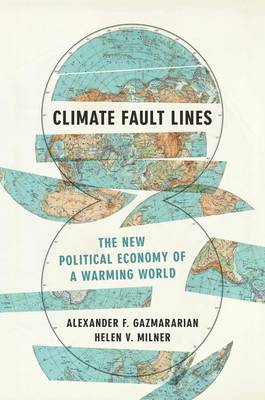
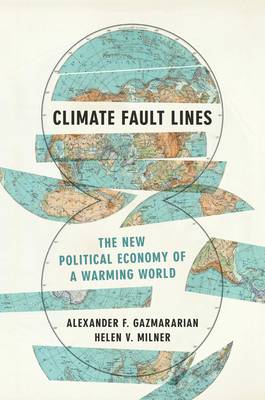
Climate Fault Lines
The New Political Economy of a Warming World
Alexander F Gazmararian, Helen V Milner
Livre broché | Anglais
37,45 €
+ 74 points
Format
Description
How the unequal burdens of climate change are reshaping both domestic and international politics
Climate change is no longer an abstraction, as the world experiences extreme heat, rising sea levels, and brutally destructive wildfires. In Climate Fault Lines, Alexander Gazmararian and Helen Milner show that the effects of climate change are far from equal, with the most severe damages concentrated in the world's hottest regions. They argue that this divide--a fault line that cuts across existing social, economic, and political divisions--will produce diverging political responses to the changing climate. People, businesses, and governments on the more vulnerable side of the fault line are highly motivated to address climate change because they directly experience its intensifying effects. Those on the other side, however, have less motivation to address the problem, and when they do enact climate policy, it's mainly for other reasons--cleaner air, economic gains, or greater energy security. Gazmararian and Milner support their argument--which departs from the prevailing wisdom that Northern European states are climate leaders whereas developing nations are free riders--by bringing together models from economics, geosciences and political science. The data show that voters and businesses with the most to lose are reshaping the incentives and policies of local and national governments below the fault line. Unequal harm, not shared global vulnerability, increasingly informs climate politics.Spécifications
Parties prenantes
- Auteur(s) :
- Editeur:
Contenu
- Nombre de pages :
- 264
- Langue:
- Anglais
Caractéristiques
- EAN:
- 9780691268972
- Date de parution :
- 29-09-26
- Format:
- Livre broché
- Format numérique:
- Trade paperback (VS)
- Dimensions :
- 155 mm x 235 mm


Seulement chez Librairie Club
+ 74 points sur votre carte client de Librairie Club
Cadeau


Les avis
Nous publions uniquement les avis qui respectent les conditions requises. Consultez nos conditions pour les avis.