


- Retrait en 2 heures
- Assortiment impressionnant
- Paiement sécurisé
- Toujours un magasin près de chez vous
- Retrait en 2 heures
- Assortiment impressionnant
- Paiement sécurisé
- Toujours un magasin près de chez vous



Description
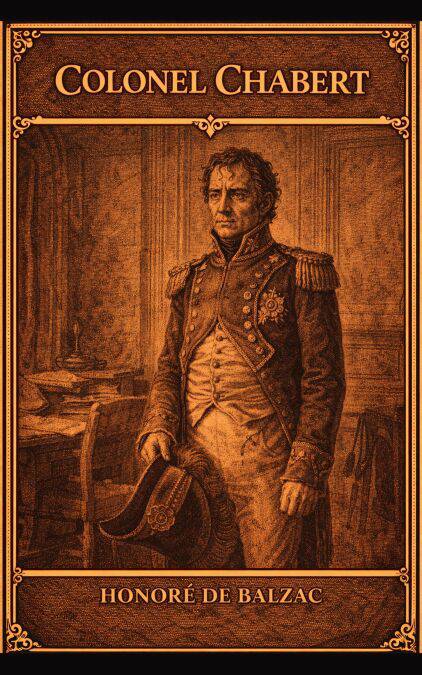
Colonel Chabert is a haunting and masterfully crafted novella by Honoré de Balzac that explores identity, betrayal, justice, and the crushing indifference of society. Set in post-Napoleonic France and part of Balzac's monumental series La Comédie Humaine, this gripping tale examines what happens when a man declared dead returns to reclaim his name, his honor, and his life — only to discover that the world has moved on without him.
Colonel Hyacinthe Chabert, a heroic cavalry officer under Napoleon, was presumed killed during the Battle of Eylau. Left for dead beneath a pile of corpses, he miraculously survives, only to endure years of hardship, wandering, and suffering. When he finally makes his way back to Paris, he finds that his identity has been erased. His wife has remarried, his estate has been claimed, and the legal system recognizes him as nothing more than a ghost.
Reduced to poverty and dismissed as an impostor, Chabert seeks the help of a young lawyer, Derville, in an attempt to restore his legal status and recover what was once his. Through courtroom negotiations, tense confrontations, and deeply emotional exchanges, Balzac unfolds a powerful drama of justice and moral compromise. The colonel's wife, now elevated in society through her new marriage, refuses to relinquish the wealth and status she has gained, setting the stage for a tragic conflict between love, greed, and survival.
Balzac's narrative offers a penetrating critique of a society driven by ambition, social advancement, and self-interest. The novel exposes the rigid bureaucracy of the legal system and the moral decay beneath the glittering surface of Parisian high society. Colonel Chabert's struggle becomes more than a personal quest — it becomes a symbol of the forgotten heroes of a fallen empire and the casualties of political change.
At its heart, Colonel Chabert is a deeply human story. Chabert is portrayed not merely as a wronged man, but as a figure of dignity and tragic nobility. His unwavering sense of honor contrasts sharply with the cold calculations of those around him. As he confronts the painful reality that time and society have erased him, readers are drawn into a poignant meditation on identity, loyalty, and the cost of survival in a world governed by power and appearances.
Balzac's prose is precise, realistic, and psychologically rich. With sharp insight and emotional depth, he captures both the external mechanisms of law and the internal turmoil of a man fighting for recognition. The novella remains strikingly relevant, touching on timeless themes of displacement, bureaucratic injustice, and the fragility of personal identity.
Powerful, tragic, and thought-provoking, Colonel Chabert stands as one of Balzac's most compelling shorter works. It is a story of resurrection without redemption, of heroism forgotten, and of a society that rewards cunning over courage. For readers who appreciate classic literature filled with emotional intensity and social commentary, this unforgettable narrative offers both heartbreak and profound reflection.
Colonel Hyacinthe Chabert, a heroic cavalry officer under Napoleon, was presumed killed during the Battle of Eylau. Left for dead beneath a pile of corpses, he miraculously survives, only to endure years of hardship, wandering, and suffering. When he finally makes his way back to Paris, he finds that his identity has been erased. His wife has remarried, his estate has been claimed, and the legal system recognizes him as nothing more than a ghost.
Reduced to poverty and dismissed as an impostor, Chabert seeks the help of a young lawyer, Derville, in an attempt to restore his legal status and recover what was once his. Through courtroom negotiations, tense confrontations, and deeply emotional exchanges, Balzac unfolds a powerful drama of justice and moral compromise. The colonel's wife, now elevated in society through her new marriage, refuses to relinquish the wealth and status she has gained, setting the stage for a tragic conflict between love, greed, and survival.
Balzac's narrative offers a penetrating critique of a society driven by ambition, social advancement, and self-interest. The novel exposes the rigid bureaucracy of the legal system and the moral decay beneath the glittering surface of Parisian high society. Colonel Chabert's struggle becomes more than a personal quest — it becomes a symbol of the forgotten heroes of a fallen empire and the casualties of political change.
At its heart, Colonel Chabert is a deeply human story. Chabert is portrayed not merely as a wronged man, but as a figure of dignity and tragic nobility. His unwavering sense of honor contrasts sharply with the cold calculations of those around him. As he confronts the painful reality that time and society have erased him, readers are drawn into a poignant meditation on identity, loyalty, and the cost of survival in a world governed by power and appearances.
Balzac's prose is precise, realistic, and psychologically rich. With sharp insight and emotional depth, he captures both the external mechanisms of law and the internal turmoil of a man fighting for recognition. The novella remains strikingly relevant, touching on timeless themes of displacement, bureaucratic injustice, and the fragility of personal identity.
Powerful, tragic, and thought-provoking, Colonel Chabert stands as one of Balzac's most compelling shorter works. It is a story of resurrection without redemption, of heroism forgotten, and of a society that rewards cunning over courage. For readers who appreciate classic literature filled with emotional intensity and social commentary, this unforgettable narrative offers both heartbreak and profound reflection.
Spécifications
Parties prenantes
- Auteur(s) :
- Editeur:
Contenu
- Nombre de pages :
- 83
- Langue:
- Anglais
Caractéristiques
- EAN:
- 9786082005591
- Date de parution :
- 17-02-26
- Format:
- Ebook
- Protection digitale:
- Digital watermarking
- Format numérique:
- ePub


Seulement chez Librairie Club
Cadeau


Les avis
Nous publions uniquement les avis qui respectent les conditions requises. Consultez nos conditions pour les avis.