Club utilise des cookies et des technologies similaires pour faire fonctionner correctement le site web et vous fournir une meilleure expérience de navigation.
Ci-dessous vous pouvez choisir quels cookies vous souhaitez modifier :
Club utilise des cookies et des technologies similaires pour faire fonctionner correctement le site web et vous fournir une meilleure expérience de navigation.
Nous utilisons des cookies dans le but suivant :
Assurer le bon fonctionnement du site web, améliorer la sécurité et prévenir la fraude
Avoir un aperçu de l'utilisation du site web, afin d'améliorer son contenu et ses fonctionnalités
Pouvoir vous montrer les publicités les plus pertinentes sur des plateformes externes
Club utilise des cookies et des technologies similaires pour faire fonctionner correctement le site web et vous fournir une meilleure expérience de navigation.
Ci-dessous vous pouvez choisir quels cookies vous souhaitez modifier :
Cookies techniques et fonctionnels
Ces cookies sont indispensables au bon fonctionnement du site internet et vous permettent par exemple de vous connecter. Vous ne pouvez pas désactiver ces cookies.
Cookies analytiques
Ces cookies collectent des informations anonymes sur l'utilisation de notre site web. De cette façon, nous pouvons mieux adapter le site web aux besoins des utilisateurs.
Cookies marketing
Ces cookies partagent votre comportement sur notre site web avec des parties externes, afin que vous puissiez voir des publicités plus pertinentes de Club sur des plateformes externes.
Une erreur est survenue, veuillez réessayer plus tard.
Il y a trop d’articles dans votre panier
Vous pouvez encoder maximum 250 articles dans votre panier en une fois. Supprimez certains articles de votre panier ou divisez votre commande en plusieurs commandes.
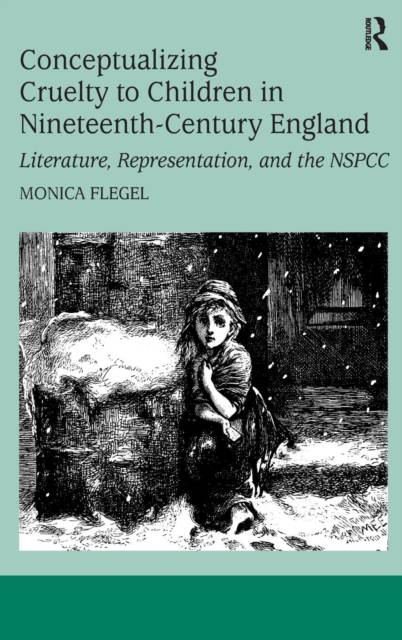
Moving nimbly between literary and historical texts, Monica Flegel provides a much-needed interpretive framework for understanding the specific formulation of child cruelty popularized by the National Society for the Prevention of Cruelty to Children (NSPCC) in the late nineteenth century. Flegel considers a wide range of well-known and more obscure texts from the mid-eighteenth century to the early twentieth, including philosophical writings by Locke and Rousseau, poetry by Coleridge, Blake, and Caroline Norton, works by journalists and reformers like Henry Mayhew and Mary Carpenter, and novels by Frances Trollope, Charles Dickens, Wilkie Collins, and Arthur Morrison. Taking up crucial topics such as the linking of children with animals, the figure of the child performer, the relationship between commerce and child endangerment, and the problem of juvenile delinquency, Flegel examines the emergence of child abuse as a subject of legal and social concern in England, and its connection to earlier, primarily literary representations of endangered children. With the emergence of the NSPCC and the new crime of cruelty to children, new professions and genres, such as child protection and social casework, supplanted literary works as the authoritative voices in the definition of social ills and their cure. Flegel argues that this development had material effects on the lives of children, as well as profound implications for the role of class in representations of suffering and abused children. Combining nuanced close readings of individual texts with persuasive interpretations of their influences and limitations, Flegel's book makes a significant contribution to the history of childhood, social welfare, the family, and Victorian philanthropy.