


- Retrait en 2 heures
- Assortiment impressionnant
- Paiement sécurisé
- Toujours un magasin près de chez vous
- Retrait gratuit dans votre magasin Club
- 7.000.0000 titres dans notre catalogue
- Payer en toute sécurité
- Toujours un magasin près de chez vous



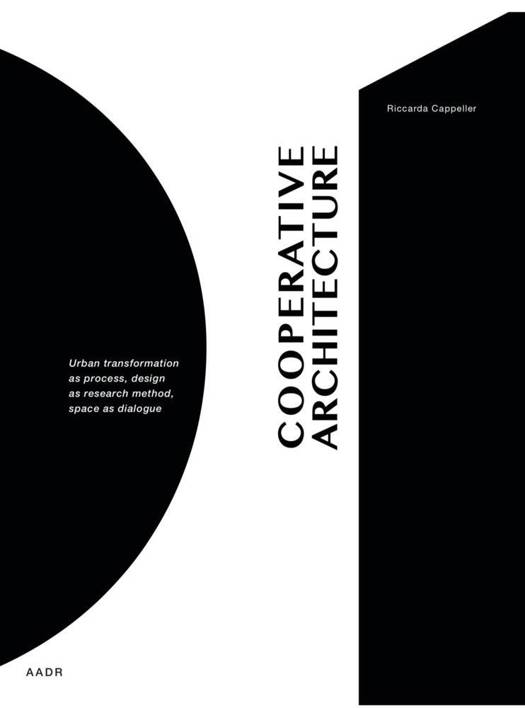
Cooperative Architecture
Urban Transformation as Process, Design as Research Method, Space as Dialogue
Riccarda Cappeller
Livre broché | Anglais
38,45 €
+ 76 points
Description
What if cities are not designed, but co-written layer by layer?What if architectural thinking begins with a dialogue instead of a drawing?Cooperative Architecture as a concept and practice traces how architecture can emerge through relational processes: co-creation, co-habitation and collective authorship. It reimagines the city not through imposition, but through attention. Cooperative Architecture discusses three urban situations in transformation: Granby Four Streets in Liverpool, Can Batllo in Barcelona and ExRotaprint in Berlin. Each site is a living laboratory, a field of improvisation, testing practices of repair and care. Together they demonstrate how architecture is not a fixed object, but a performative and transformative cooperative act.This book demonstrates how artistic strategies and design-based thinking, driven by an ethnographical methodology - from situated writing, visual mapping, and documentary filmmaking - can develop exemplary ways to conduct architectural design research to curate urban situations. Cooperative Architecture highlights the invisible grounds of space, from social traces and relations to urban processes of transformation and shared rhythms.Riccarda Cappeller is trained in architecture at Bauhaus Universitat Weimar, ETSAM Madrid, UBA Buenos Aires and in visual sociology at Goldsmiths University London. She teaches and researches @territorialdesign, Leibniz University Hannover, completed her PhD in 2024 and collaborated with MA Coop Design Research in Dessau, ETSAB Barcelona, UNIVPM Ancona. Her focus is on design theory and methodology, exploring processes of urban change and knowledge creation through artistic and design-driven approaches as well as documentary multimedia formats. In parallel she works as freelance author and curator.Book recommendationCooperative Architecture presents a compelling reimagining of architecture as a spatial practice rooted in co-production, performativity, and situated knowledge. Riccarda Cappeller constructs a robust and creative research framework that blends methodologies from ethnography, artistic and design-based approaches. Her analysis of Granby Four Streets, Can Batllo , and ExRotaprint unfolds as a series of critical spatial laboratories where architecture emerges through collective agency and continuous transformation.This work challenges conventional disciplinary boundaries and offers valuable strategies for engaging with urgent urban, ecological, and cultural conditions. Cappeller's methodology contributes meaningfully to contemporary debates in architectural design research, repositioning the architect not as a sole author but as a facilitator of collaborative urban futures. The book is an essential resource for scholars, practitioners, and students interested in critical spatial practice, and transformative urban and architecture design.
Spécifications
Parties prenantes
- Auteur(s) :
- Editeur:
Contenu
- Langue:
- Anglais
Caractéristiques
- EAN:
- 9783887781354
- Date de parution :
- 25-03-26
- Format:
- Livre broché
- Dimensions :
- 185 mm x 235 mm
- Poids :
- 950 g


Seulement chez Librairie Club
+ 76 points sur votre carte client de Librairie Club
Cadeau

Cadeau


Les avis
Nous publions uniquement les avis qui respectent les conditions requises. Consultez nos conditions pour les avis.