


- Retrait en 2 heures
- Assortiment impressionnant
- Paiement sécurisé
- Toujours un magasin près de chez vous
- Retrait en 2 heures
- Assortiment impressionnant
- Paiement sécurisé
- Toujours un magasin près de chez vous



201,45 €
+ 402 points
Description
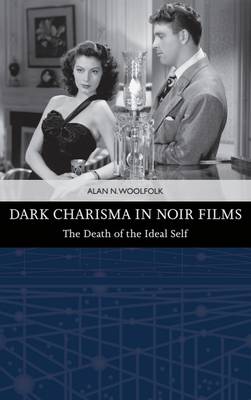
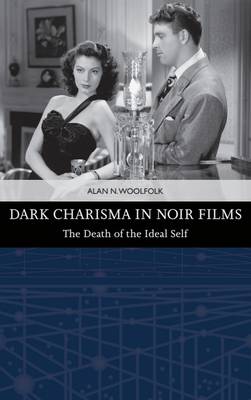
Noir Films, Dark Charisma and the Death of the Ideal Self draws on sociocultural theory to illuminate the development and content of classic noir and neo-noir films, their audience reception and their continuing attraction by linking the origins of film noir to the extended moral crisis of the "noir generation" in America and Europe. It demonstrates that noir films and the neo-noir films that followed are inseparable from the continuing cultural revolution of late modernity.
This revolution began with the breakdown of liberal-Christian ideals and the rise of a new model of human nature during the first half of the twentieth century that leveled traditional hierarchical understandings of the self as divided into "higher" and "lower" motives. Film noir is significant because it developed as a form of psychological melodrama in the mid-twentieth century that gave a powerful new cinematic vision and voice to fantasies and impulses, many of them previously defined as pathological, that had been condemned, repressed and denied by the dominant culture.Spécifications
Parties prenantes
- Auteur(s) :
- Editeur:
Contenu
- Nombre de pages :
- 304
- Langue:
- Anglais
- Collection :
Caractéristiques
- EAN:
- 9781399562430
- Date de parution :
- 30-11-26
- Format:
- Livre relié
- Format numérique:
- Genaaid
- Dimensions :
- 156 mm x 234 mm


Seulement chez Librairie Club
+ 402 points sur votre carte client de Librairie Club
Cadeau


Les avis
Nous publions uniquement les avis qui respectent les conditions requises. Consultez nos conditions pour les avis.