


- Retrait en 2 heures
- Assortiment impressionnant
- Paiement sécurisé
- Toujours un magasin près de chez vous
- Retrait en 2 heures
- Assortiment impressionnant
- Paiement sécurisé
- Toujours un magasin près de chez vous



90,10 €
+ 180 points
Description
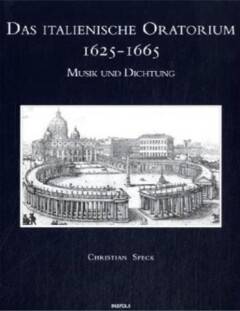
The oratorio, one of the significant musical genres to emerge in the course of the mayor stylistic changes of the seventeenth-century Italy, went on to occupy a secure place in the history of European music in the following three centuries. This study focuses on the early Italian oratorios, written or performed in Rome between 1625 and 1665. It is the first to aim for an interdisciplinary (from the perspective of libretto studies) examination of the rise of the Italian oratorio in Rome. To answer the question of how the development of the oratorio led to a clearly defined form, the contemporary repertory is documented and represented in all its various aspects. A representative number of oratorios are also analysed in both literary and musical terms.Topics of particular importance to the study are the relationship of recitative and ario, the ario types, the dramaturgy of the oratorio and the practice of setting texts to music, a subject that offers a point of contact with the early Baroque opera. The existing state of oratorio research, particularly in relation to questions of attribution, is critically examined in the light of both known and new sources. The detailed description of two as yet unexamined compositions by Giovan Francesco Marcorelli as well as several fragments of additional oratorios is a valuable addition to our knowledge of the early oratorio composition. The study is supplemented by a cross-referenced index of all the known oratorios, including previously unknown works by Roman composers such as Luigi Rossi, Francesco Foggia and Giovan Francesco Marcorelli. A 600-page edition of the surviving Roman librettos of the period makes basic sources accessible for further research on CD ROM. Most of the 99 edited librettos are published here either for the first time or at least for the first time in 300 years. The book contains a complete index, as well as numerous illustrations, charts and music examples.
Spécifications
Parties prenantes
- Auteur(s) :
- Editeur:
Contenu
- Nombre de pages :
- 524
- Langue:
- Allemand
- Collection :
- Tome:
- n° 9
Caractéristiques
- EAN:
- 9782503521879
- Date de parution :
- 01-05-03
- Format:
- Livre relié
- Format numérique:
- Met stofomslag
- Dimensions :
- 212 mm x 264 mm
- Poids :
- 1832 g


Seulement chez Librairie Club
+ 180 points sur votre carte client de Librairie Club
Cadeau


Les avis
Nous publions uniquement les avis qui respectent les conditions requises. Consultez nos conditions pour les avis.