


- Retrait en 2 heures
- Assortiment impressionnant
- Paiement sécurisé
- Toujours un magasin près de chez vous
- Retrait en 2 heures
- Assortiment impressionnant
- Paiement sécurisé
- Toujours un magasin près de chez vous



121,90 €
+ 243 points
Description
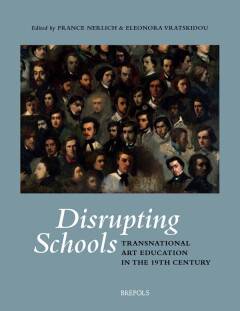
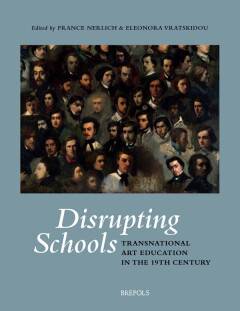
The category of the national school, paramount for the emerging discipline of art history in the 19th century, tended to dismiss the crucial encounters, confrontations and exchanges prompted by the fact that artists commonly travelled abroad, especially for the purposes of education and training. The aim of this volume is to address the complexities of this under-researched phenomenon, shedding light on the motivations and impact of transnational art education on artists' careers, on the actors and educational institutions involved (e.g. state-run academies, private schools or studios, museums, outdoor practices) and on the growing international networks connecting artists, patrons, collectors, dealers, critics and scholars. Even though the nation was a major category for historical actors of the period, it is essential to question the validity of the national framework as an analytical tool for current scholarship: our aim is therefore to propose a new reading of 19th-century art worlds based on the idea of circulations, entanglements and revised geographies. In the 19th century the destinations and itineraries of art students were reshaped by changing artistic trends and reputations, as well as by larger economic and geopolitical transformations engendered by the formation of new nation states and the remapping of Empires. The more or less temporary expatriations and the experience of difference during the key-period of artistic training generated divergent individual responses to foreign artistic contexts. Their responses were formed amidst persistent tensions between the elaboration of national art and the appeal to artistic values that crossed national boundaries. Examining both recurring patterns as well as individual examples, the contributors to the volume analyze career strategies that took advantage of resources labeled as foreign and explore the implications of an increasingly internationalized art market for the choices of aspiring artists. Beyond the emphasis on the circulation of people/actors, specific attention is given to the transfers of teaching methods, techniques and art theoretical discourses between artistic centers. Contributions also take into consideration the more or less precarious living conditions of art students abroad, their modes of socialization and group formations, the experience of the city and participation in artistic and intellectual circles.
Spécifications
Parties prenantes
- Auteur(s) :
- Editeur:
Contenu
- Nombre de pages :
- 232
- Langue:
- Anglais
- Collection :
- Tome:
- n° 2
Caractéristiques
- EAN:
- 9782503570310
- Date de parution :
- 27-01-22
- Format:
- Livre relié
- Format numérique:
- Genaaid
- Poids :
- 358 g


Seulement chez Librairie Club
+ 243 points sur votre carte client de Librairie Club
Cadeau


Les avis
Nous publions uniquement les avis qui respectent les conditions requises. Consultez nos conditions pour les avis.