


- Retrait en 2 heures
- Assortiment impressionnant
- Paiement sécurisé
- Toujours un magasin près de chez vous
- Retrait en 2 heures
- Assortiment impressionnant
- Paiement sécurisé
- Toujours un magasin près de chez vous



132,95 €
+ 265 points
Format
Description
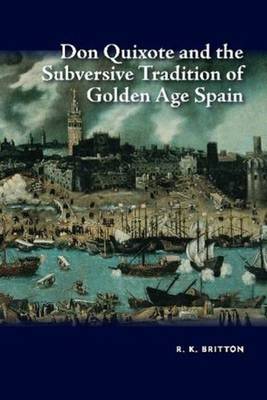
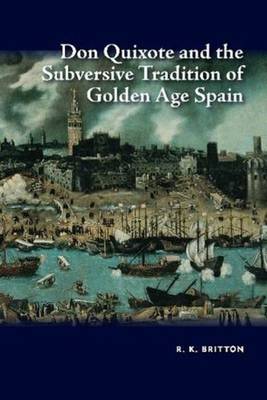
This study offers a reading of Don Quixote, with comparative material from Golden Age history and Cervantes life, to argue that his greatest work was not just the hilariously comic entertainment that most of his contemporaries took it to be. Rather, it belongs to a subversive tradition of writing that grew up in sixteenth-century Spain and which constantly questioned the aims and standards of the imperial nation state that Counter-reformation Spain had become from the point of view of Renaissance humanism. Prime consideration needs to be given to the system of Spanish censorship at the time, run largely by the Inquisition albeit officially an institution of the crown, and its effect on the cultural life of the country. In response, writers of poetry and prose fiction -- strenuously attacked on moral grounds by sections of the clergy and the laity -- became adept at camouflaging heterodox ideas through rhetoric and imaginative invention. Ironically, Cervantes success in avoiding the attention of the censor by concealing his criticisms beneath irony and humour was so effective that even some twentieth-century scholars have maintained Don Quixote is a brilliantly funny book but no more. Bob Britton draws on recent critical and historical scholarship -- including ideas on cultural authority and studies on the way Cervantes addresses history, truth, writing, law and gender in Don Quixote -- and engages with the intellectual and moral issues that this much-loved writer engaged with. The summation and appraisal of these elements within the context of Golden Age censorship and the literary politics of the time make it essential reading for all those who are interested in or study the Spanish language and its literature.
Spécifications
Parties prenantes
- Auteur(s) :
- Editeur:
Contenu
- Nombre de pages :
- 240
- Langue:
- Anglais
Caractéristiques
- EAN:
- 9781845198619
- Date de parution :
- 01-12-18
- Format:
- Livre relié
- Format numérique:
- Genaaid
- Dimensions :
- 150 mm x 229 mm
- Poids :
- 476 g


Seulement chez Librairie Club
+ 265 points sur votre carte client de Librairie Club
Cadeau


Les avis
Nous publions uniquement les avis qui respectent les conditions requises. Consultez nos conditions pour les avis.