


Nous rencontrons actuellement des difficultés pour activer les ebooks. Par conséquent, la mise à disposition des ebooks que vous avez achetés pourrait prendre un peu plus de temps. Vous recevrez automatiquement un message dès que ce sera fait.
- Retrait en 2 heures
- Assortiment impressionnant
- Paiement sécurisé
- Toujours un magasin près de chez vous
Nous rencontrons actuellement des difficultés pour activer les ebooks. Par conséquent, la mise à disposition des ebooks que vous avez achetés pourrait prendre un peu plus de temps. Vous recevrez automatiquement un message dès que ce sera fait.
- Retrait en 2 heures
- Assortiment impressionnant
- Paiement sécurisé
- Toujours un magasin près de chez vous



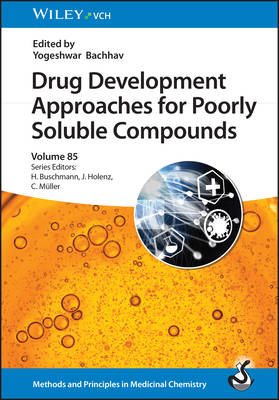
Drug Development Approaches for Poorly Soluble Compounds
166,95 €
Description
Ten proven strategies to overcome solubility challenges in drug development
Poor water solubility prevents drug candidates from reaching their therapeutic targets, causing promising compounds to fail during development. Drug Development Approaches for Poorly Soluble Compounds presents ten distinct strategies for overcoming this challenge, from altering drug structure and creating prodrugs to formulation techniques using nanosuspensions, microemulsions, micelles, co-crystals, and co-solvents. Each approach includes case studies from current pharmaceutical industry projects.
This reference covers strategies applicable to virtually every drug type, regardless of molecular size or chemical composition. Beyond formulation science, the book addresses solubility-related commercial and regulatory considerations essential for bringing drugs to market. Special attention is given to animal study requirements for poorly soluble compounds. Each chapter demonstrates approaches through examples from recent pharmaceutical development projects across small and large companies.
Readers will also find:
- Detailed explanations of ten formulation strategies including nanosuspensions, microemulsions, micelles, co-crystals, and co-solvent approaches for enhancing drug solubility
- Practical case studies drawn from recent pharmaceutical industry drug development projects demonstrating real-world applications of each solubility enhancement strategy
- Guidance on regulatory considerations specific to poorly soluble compounds, helping developers navigate approval pathways more efficiently throughout the development process
- Coverage of special requirements for conducting animal studies with compounds that exhibit poor solubility in biological fluids
- Commercial considerations for solubility enhancement strategies that reduce required drug substance amounts, lowering costs and minimizing potential side effects
Designed for medicinal chemists, pharmaceutical chemists, pharmacologists, and pharmaceutical industry professionals, this book ensures no drug candidate fails due to solubility challenges. The strategies presented here apply across compound types and development stages, providing practitioners with proven solutions for this common development obstacle.
Spécifications
Parties prenantes
- Editeur:
Contenu
- Nombre de pages :
- 464
- Langue:
- Anglais
- Collection :
Caractéristiques
- EAN:
- 9783527354788
- Date de parution :
- 08-09-26
- Format:
- Livre relié
- Format numérique:
- Genaaid
- Dimensions :
- 170 mm x 244 mm

Seulement chez Librairie Club
Cadeau


Les avis
Nous publions uniquement les avis qui respectent les conditions requises. Consultez nos conditions pour les avis.