


- Retrait en 2 heures
- Assortiment impressionnant
- Paiement sécurisé
- Toujours un magasin près de chez vous
- Retrait en 2 heures
- Assortiment impressionnant
- Paiement sécurisé
- Toujours un magasin près de chez vous



67,95 €
+ 135 points
Description
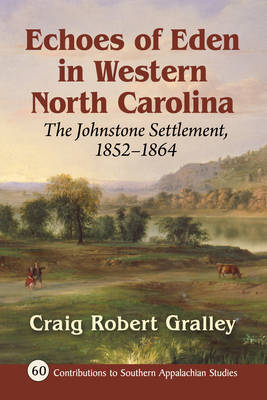
In the 1850s, a group of affluent rice planters left coastal South Carolina to establish a permanent settlement in the mountains of western North Carolina. Led by Francis Withers Johnstone, members of the Rutledge, Hume, Gadsden, Ewbank, and Hanckel families acquired thousands of acres along the French Broad River Valley. This settlement, while part of a greater westward movement, was unique because it was shaped less by the search for status and wealth than by social and environmental pressures--family disputes, a collapsing rice culture, and recurring yellow fever epidemics exacerbated by Charleston's climate.
Relocating with large numbers of enslaved people, the settlers sought to maintain the social and economic structures they had known in the east. The community they created, later known as the Johnstone Settlement, was short-lived, and its history gradually faded from public record. This work represents the first cohesive effort to recover and examine the origins, development, and dissolution of the Johnstone Settlement.
Spécifications
Parties prenantes
- Auteur(s) :
- Editeur:
Contenu
- Nombre de pages :
- 120
- Langue:
- Anglais
- Collection :
- Tome:
- n° 60
Caractéristiques
- EAN:
- 9781476658636
- Date de parution :
- 13-08-26
- Format:
- Livre broché
- Format numérique:
- Trade paperback (VS)
- Dimensions :
- 152 mm x 229 mm


Seulement chez Librairie Club
+ 135 points sur votre carte client de Librairie Club
Cadeau


Les avis
Nous publions uniquement les avis qui respectent les conditions requises. Consultez nos conditions pour les avis.