


- Retrait en 2 heures
- Assortiment impressionnant
- Paiement sécurisé
- Toujours un magasin près de chez vous
- Retrait en 2 heures
- Assortiment impressionnant
- Paiement sécurisé
- Toujours un magasin près de chez vous



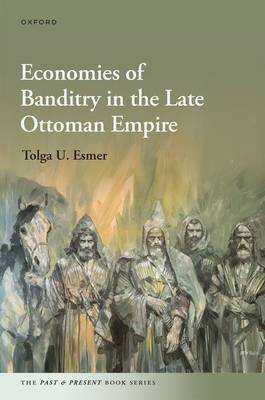
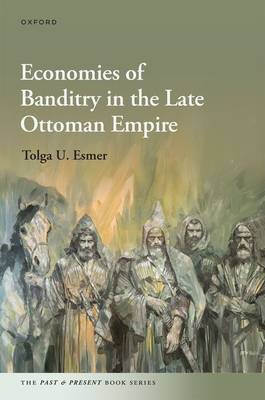
Economies of Banditry in the Late Ottoman Empire
Tolga U Esmer
158,95 €
+ 317 points
Description
Throughout the reign of Sultan Selîm III (1789-1807), Ottoman officials complained about the destruction of a notorious criminal named Kara Feyzî and thousands of his followers: they pillaged, slaughtered, and burned down communities throughout the Balkans. But these public complaints often concealed the officials' own ties with these so-called bandits and were used as opportunities to slander their political peers who whistle-blew their collusion. Economies of Banditry in the Late Ottoman Empire draws on the 'Kara Feyzî file', which comprises of extensive Ottoman archival as well as Muslim and Christian narrative sources. Tolga Esmer explores how Kara Feyzî and his irregular warrior and Janissary commander accomplices forged a transregional racketeering confederation that expanded their once, state-sanctioned terror against the empire's Serbian community to the general Christian as well as Muslim population across the Balkan peninsula. It illustrates how its repertoire of extortion, violence, and deception became a politicized site of the negotiation of social relations, economic and symbolic capital, as well as political power. Esmer tells this riveting story about inter-confessional violence, inter-imperial intrigue, as well as intra-elite mistrust and corruption through a microhistory of empire that sheds new light onto the deep moral crisis resulting from the disintegration of elite consensus and Ottoman exceptionalism during this age of revolution. By focusing on the performative aspects of officials' correspondence about one criminal confederation, the book reveals the complexity of Ottoman political culture and analyses the moral, emotional, and economic regimes that informed it.
Spécifications
Parties prenantes
- Auteur(s) :
- Editeur:
Contenu
- Nombre de pages :
- 336
- Langue:
- Anglais
- Collection :
Caractéristiques
- EAN:
- 9780192856456
- Date de parution :
- 26-05-26
- Format:
- Livre relié
- Format numérique:
- Genaaid
- Dimensions :
- 165 mm x 240 mm
- Poids :
- 725 g


Seulement chez Librairie Club
+ 317 points sur votre carte client de Librairie Club
Cadeau


Les avis
Nous publions uniquement les avis qui respectent les conditions requises. Consultez nos conditions pour les avis.