


- Retrait en 2 heures
- Assortiment impressionnant
- Paiement sécurisé
- Toujours un magasin près de chez vous
- Retrait en 2 heures
- Assortiment impressionnant
- Paiement sécurisé
- Toujours un magasin près de chez vous



55,91 €
+ 55 points
Description
Summary
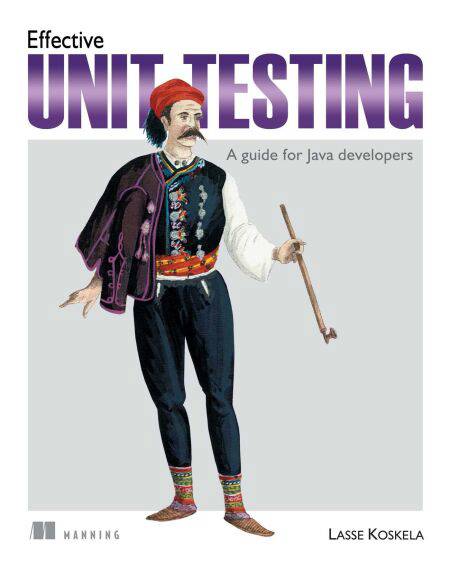
Effective Unit Testing is written to show how to write good tests—tests that are concise and to the point, expressive, useful, and maintainable. Inspired by Roy Osherove's bestselling The Art of Unit Testing, this book focuses on tools and practices specific to the Java world. It introduces you to emerging techniques like behavior-driven development and specification by example, and shows you how to add robust practices into your toolkit.
About Testing
Test the components before you assemble them into a full application, and you'll get better software. For Java developers, there's now a decade of experience with well-crafted tests that anticipate problems, identify known and unknown dependencies in the code, and allow you to test components both in isolation and in the context of a full application.
About this Book
Effective Unit Testing teaches Java developers how to write unit tests that are concise, expressive, useful, and maintainable. Offering crisp explanations and easy-to-absorb examples, it introduces emerging techniques like behavior-driven development and specification by example.
Programmers who are already unit testing will learn the current state of the art. Those who are new to the game will learn practices that will serve them well for the rest of their career.
Purchase of the print book comes with an offer of a free PDF, ePub, and Kindle eBook from Manning. Also available is all code from the book.
About the Author
Lasse Koskela is a coach, trainer, consultant, and programmer. He hacks on open source projects, helps companies improve their productivity, and speaks frequently at conferences around the world. Lasse is the author of Test Driven, also published by Manning.
What's Inside A thorough introduction to unit testing Choosing best-of-breed tools Writing tests using dynamic languages Efficient test automation Table of Contents PART 1 FOUNDATIONS The promise of good tests In search of good Test doubles PART 2 CATALOG Readability Maintainability Trustworthiness PART 3 DIVERSIONS Testable design Writing tests in other JVM languages Speeding up test execution
Effective Unit Testing is written to show how to write good tests—tests that are concise and to the point, expressive, useful, and maintainable. Inspired by Roy Osherove's bestselling The Art of Unit Testing, this book focuses on tools and practices specific to the Java world. It introduces you to emerging techniques like behavior-driven development and specification by example, and shows you how to add robust practices into your toolkit.
About Testing
Test the components before you assemble them into a full application, and you'll get better software. For Java developers, there's now a decade of experience with well-crafted tests that anticipate problems, identify known and unknown dependencies in the code, and allow you to test components both in isolation and in the context of a full application.
About this Book
Effective Unit Testing teaches Java developers how to write unit tests that are concise, expressive, useful, and maintainable. Offering crisp explanations and easy-to-absorb examples, it introduces emerging techniques like behavior-driven development and specification by example.
Programmers who are already unit testing will learn the current state of the art. Those who are new to the game will learn practices that will serve them well for the rest of their career.
Purchase of the print book comes with an offer of a free PDF, ePub, and Kindle eBook from Manning. Also available is all code from the book.
About the Author
Lasse Koskela is a coach, trainer, consultant, and programmer. He hacks on open source projects, helps companies improve their productivity, and speaks frequently at conferences around the world. Lasse is the author of Test Driven, also published by Manning.
What's Inside A thorough introduction to unit testing Choosing best-of-breed tools Writing tests using dynamic languages Efficient test automation Table of Contents PART 1 FOUNDATIONS The promise of good tests In search of good Test doubles PART 2 CATALOG Readability Maintainability Trustworthiness PART 3 DIVERSIONS Testable design Writing tests in other JVM languages Speeding up test execution
Spécifications
Parties prenantes
- Auteur(s) :
- Editeur:
Contenu
- Nombre de pages :
- 258
- Langue:
- Anglais
Caractéristiques
- EAN:
- 9781638353881
- Date de parution :
- 02-02-13
- Format:
- Ebook
- Protection digitale:
- Adobe DRM
- Format numérique:
- ePub


Seulement chez Librairie Club
+ 55 points sur votre carte client de Librairie Club
Cadeau


Les avis
Nous publions uniquement les avis qui respectent les conditions requises. Consultez nos conditions pour les avis.