


- Retrait en 2 heures
- Assortiment impressionnant
- Paiement sécurisé
- Toujours un magasin près de chez vous
- Retrait en 2 heures
- Assortiment impressionnant
- Paiement sécurisé
- Toujours un magasin près de chez vous



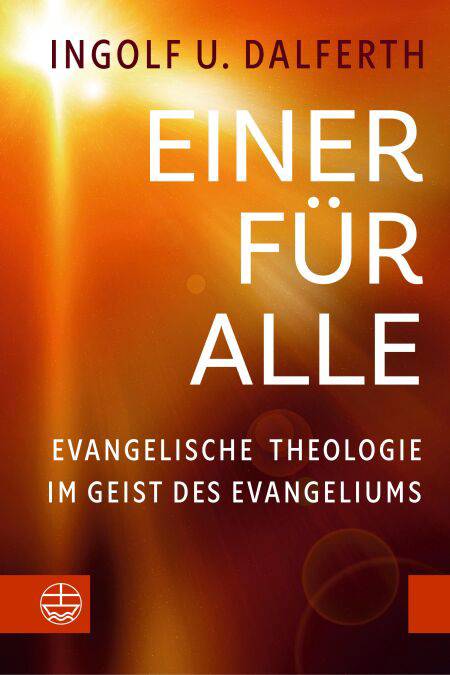
Einer für Alle EBOOK
Evangelische Theologie im Geist des Evangeliums
Ingolf U. Dalferth
Ebook | Allemand
38,99 €
+ 38 points
Format
Description
Eine Theologie ohne inhaltliche Bestimmtheit ist ein bloßer Leerbegriff für Beliebiges, und eine Kirche ohne theologische Orientierung ist Treibsand im Wind des Zeitgeschehens. Einst stand evangelische Theologie für den Neuaufbruch der Theologie – als reformatorische Theologie, die auf die Freiheit der Christenmenschen setzte, und als unierte Theologie, die den Konflikt zwischen lutherischen und reformierten Kirchen zu überwinden half. Heute bedarf evangelische Theologie selbst einer Neuorientierung. Ihre Zukunft liegt nicht in der Schwächung ihres christlichen Profils und der Öffnung für die spirituelle Vielfalt des Religiösen und der Religionen, sondern in einer strikt soteriologisch ausgerichteten christlichen Theologie.
Christlich ist eine Theologie, die sich am Geist des Evangeliums orientiert, der schöpferischen Lebenskraft, durch die Gott zum Wohl der Schöpfung wirkt, auch dort, wo man es nicht erwartet oder bemerkt. Ohne diesen Geist gäbe es kein Christentum, keine Christenheit und keine christliche Theologie. Was sich ändert im Verständnis von Gott, Menschheit, Jesus Christus und der Kirche, wenn man sich soteriologisch am Geist des Evangeliums orientiert, erkundet dieses Buch des über alle Grenzen hinweg anerkannten Theologen und Religionsphilosophen Ingolf U. Dalferth.
[One for all. Protestant theology in the spirit of the Gospel]
Theology without substance is merely an empty concept for anything and everything, and a church without theological orientation is quicksand in the wind of current events. Evangelical theology in Germany once stood for a new beginning in theology—as Reformation theology, which emphasized the freedom of Christians, and as a theology of the united churches that helped overcome the conflicts between Lutheran and Reformed traditions. Today, evangelical theology itself needs a new direction. Its future lies not in weakening its Christian profile and an opening up to the spiritual diversity of religion and religions, but in a strictly soteriologically oriented Christian theology.
Christian theology is theology that is oriented toward the spirit of the Gospel, the creative life force through which God works for the good of creation, even where one does not expect or notice it. Without this spirit, there would be no Christianity, no Christendom, and no Christian theology. This book explores what changes in the understanding of God, humanity, Jesus Christ, and the Church when theological reflection is soteriologically oriented toward the spirit of the Gospel.
Christlich ist eine Theologie, die sich am Geist des Evangeliums orientiert, der schöpferischen Lebenskraft, durch die Gott zum Wohl der Schöpfung wirkt, auch dort, wo man es nicht erwartet oder bemerkt. Ohne diesen Geist gäbe es kein Christentum, keine Christenheit und keine christliche Theologie. Was sich ändert im Verständnis von Gott, Menschheit, Jesus Christus und der Kirche, wenn man sich soteriologisch am Geist des Evangeliums orientiert, erkundet dieses Buch des über alle Grenzen hinweg anerkannten Theologen und Religionsphilosophen Ingolf U. Dalferth.
[One for all. Protestant theology in the spirit of the Gospel]
Theology without substance is merely an empty concept for anything and everything, and a church without theological orientation is quicksand in the wind of current events. Evangelical theology in Germany once stood for a new beginning in theology—as Reformation theology, which emphasized the freedom of Christians, and as a theology of the united churches that helped overcome the conflicts between Lutheran and Reformed traditions. Today, evangelical theology itself needs a new direction. Its future lies not in weakening its Christian profile and an opening up to the spiritual diversity of religion and religions, but in a strictly soteriologically oriented Christian theology.
Christian theology is theology that is oriented toward the spirit of the Gospel, the creative life force through which God works for the good of creation, even where one does not expect or notice it. Without this spirit, there would be no Christianity, no Christendom, and no Christian theology. This book explores what changes in the understanding of God, humanity, Jesus Christ, and the Church when theological reflection is soteriologically oriented toward the spirit of the Gospel.
Spécifications
Parties prenantes
- Auteur(s) :
- Editeur:
Contenu
- Nombre de pages :
- 492
- Langue:
- Allemand
Caractéristiques
- EAN:
- 9783374080984
- Date de parution :
- 23-04-26
- Format:
- Ebook
- Protection digitale:
- Digital watermarking
- Format numérique:


Seulement chez Librairie Club
+ 38 points sur votre carte client de Librairie Club
Cadeau


Les avis
Nous publions uniquement les avis qui respectent les conditions requises. Consultez nos conditions pour les avis.