


- Retrait en 2 heures
- Assortiment impressionnant
- Paiement sécurisé
- Toujours un magasin près de chez vous
- Retrait en 2 heures
- Assortiment impressionnant
- Paiement sécurisé
- Toujours un magasin près de chez vous



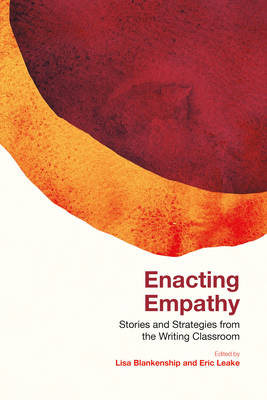
Enacting Empathy
Stories and Strategies from the Writing Classroom
144,45 €
+ 288 points
Description
Featuring vignettes and praxis pieces focused on classroom experiences and reflections on teaching empathy, Enacting Empathy: Stories and Strategies from the Composition Classroom provides inspiration and consideration of how and why teachers might adopt an emphasis on empathy. Contributors locate empathy in the particulars of writing assignments, classroom discussions, responses to students, interpretations of texts, and connections with communities.
The challenges and means of understanding one another-as we encounter one another in words, images, and texts-are a central focus of the writing classroom. Teaching for and about empathy has become only more important as we have experienced increased social division, greater recognition and attention to identity, and an emphasis on attending to personal experiences and stories as part of larger efforts to support social justice. With its possibilities for critical reflection and revision, writing is a key tool for developing empathy. Empathy likewise can make us more present, accountable, and socially engaged in our writing. This collection explores how empathy might best be put into practice in the composition classroom, featuring teaching resources, assignment designs, and reflections on empathy and teaching writing for diverse institutional contexts.
The first edited collection in at least thirty years to present strategies for teaching empathy in composition classrooms, Enacting Empathy is a companion volume to Empathy and the Other: Difference, Connection, and the Teaching of Writing, which focuses on the theoretical basis for empathy as a pedagogical concern. The two volumes may stand alone or be read together and are of great interest to writing teachers and graduate students invested in social justice in the classroom.
Spécifications
Parties prenantes
- Editeur:
Contenu
- Nombre de pages :
- 174
- Langue:
- Anglais
- Collection :
Caractéristiques
- EAN:
- 9781646428236
- Date de parution :
- 21-05-26
- Format:
- Livre relié
- Format numérique:
- Genaaid
- Dimensions :
- 152 mm x 229 mm
- Poids :
- 404 g

Seulement chez Librairie Club
+ 288 points sur votre carte client de Librairie Club
Cadeau


Les avis
Nous publions uniquement les avis qui respectent les conditions requises. Consultez nos conditions pour les avis.