


- Retrait en 2 heures
- Assortiment impressionnant
- Paiement sécurisé
- Toujours un magasin près de chez vous
- Retrait en 2 heures
- Assortiment impressionnant
- Paiement sécurisé
- Toujours un magasin près de chez vous



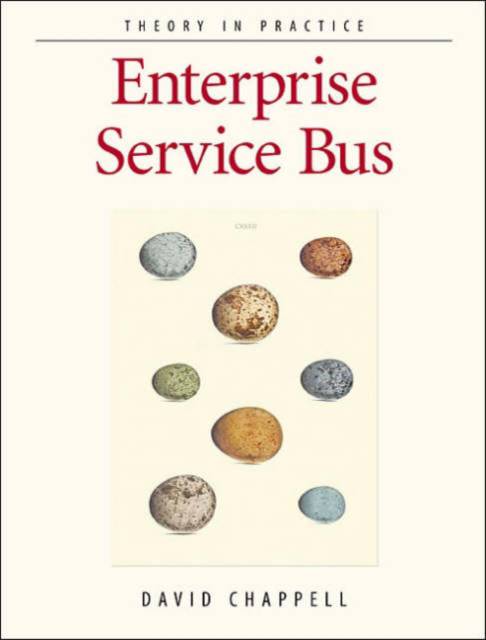
39,95 €
+ 79 points
Description
Large IT organizations increasingly face the challenge of integrating various web services, applications, and other technologies into a single network. The solution to finding a meaningful large-scale architecture that is capable of spanning a global enterprise appears to have been met in ESB, or Enterprise Service Bus. Rather than conform to the hub-and-spoke architecture of traditional enterprise application integration products, ESB provides a highly distributed approach to integration, with unique capabilities that allow individual departments or business units to build out their integration projects in incremental, digestible chunks, maintaining their own local control and autonomy, while still being able to connect together each integration project into a larger, more global integration fabric, or grid. Enterprise Service Bus offers a thorough introduction and overview for systems architects, system integrators, technical project leads, and CTO/CIO level managers who need to understand, assess, and evaluate this new approach. Written by Dave Chappell, one of the best known and authoritative voices in the field of enterprise middleware and standards-based integration, the book drills down into the technical details of the major components of ESB, showing how it can utilize an event-driven SOA to bring a variety of enterprise applications and services built on J2EE, .NET, C/C++, and other legacy environments into the reach of the everyday IT professional. With Enterprise Service Bus, readers become well versed in the problems faced by IT organizations today, gaining an understanding of how current technology deficiencies impact business issues. Through the study of real-world use cases and integration patterns drawn from several industries using ESB--including Telcos, financial services, retail, B2B exchanges, energy, manufacturing, and more--the book clearly and coherently outlines the benefits of moving toward this integration strategy. The book also compares ESB to other integration architectures, contrasting their inherent strengths and limitations. If you are charged with understanding, assessing, or implementing an integration architecture, Enterprise Service Bus will provide the straightforward information you need to draw your conclusions about this important disruptive technology.
Spécifications
Parties prenantes
- Auteur(s) :
- Editeur:
Contenu
- Nombre de pages :
- 274
- Langue:
- Anglais
Caractéristiques
- EAN:
- 9780596006754
- Date de parution :
- 03-08-04
- Format:
- Livre
- Dimensions :
- 177 mm x 233 mm
- Poids :
- 498 g


Seulement chez Librairie Club
+ 79 points sur votre carte client de Librairie Club
Cadeau


Les avis
Nous publions uniquement les avis qui respectent les conditions requises. Consultez nos conditions pour les avis.