


- Retrait en 2 heures
- Assortiment impressionnant
- Paiement sécurisé
- Toujours un magasin près de chez vous
- Retrait en 2 heures
- Assortiment impressionnant
- Paiement sécurisé
- Toujours un magasin près de chez vous



52,95 €
+ 105 points
Description
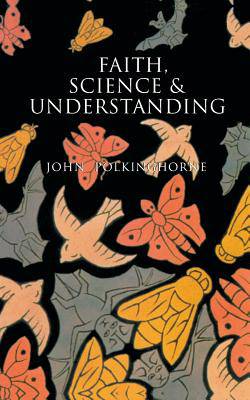
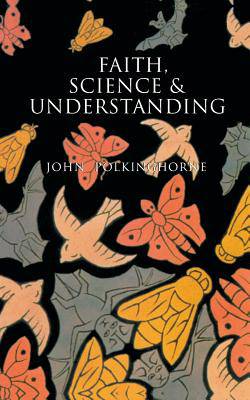
In this captivating book, one of the most highly regarded scientist-theologians of our time explores aspects of the interaction of science and theology. John Polkinghorne defends the place of theology in the university (it is part of the human search for truth) and discusses the role of revelation in religion (it is a record of experience and not the communication of unchallengeable propositions). Throughout his thought-provoking conversation, Polkinghorne speaks with an honesty and openness that derives from his many years of experience in scientific research. A central concern of Polkinghorne's collection of writings is to reconcile what science can say about the processes of the universe with theology's belief in a God active within creation. The author examines two related concepts in depth. The first is the divine self-limitation involved in creation that leads to an important reappraisal of the traditional claim that God does not act as a cause among causes. The other is the nature of time and God's involvement with it, an issue that Polkinghorne shows can link metascience and theological understandings. In the final section of the book, the author reviews three centuries of the science and theology debate and assesses the work of major contemporary contributors to the discussion: Wolfhart Pannenberg, Thomas Torrance, and Paul Davies. He also considers why the science-theology discussion has for several centuries been a particular preoccupation of the English.
Spécifications
Parties prenantes
- Auteur(s) :
- Editeur:
Contenu
- Nombre de pages :
- 224
- Langue:
- Anglais
- Collection :
Caractéristiques
- EAN:
- 9780300091281
- Date de parution :
- 01-08-01
- Format:
- Livre broché
- Format numérique:
- Trade paperback (VS)
- Dimensions :
- 129 mm x 198 mm
- Poids :
- 172 g


Seulement chez Librairie Club
+ 105 points sur votre carte client de Librairie Club
Cadeau


Les avis
Nous publions uniquement les avis qui respectent les conditions requises. Consultez nos conditions pour les avis.