


- Retrait en 2 heures
- Assortiment impressionnant
- Paiement sécurisé
- Toujours un magasin près de chez vous
- Retrait gratuit dans votre magasin Club
- 7.000.0000 titres dans notre catalogue
- Payer en toute sécurité
- Toujours un magasin près de chez vous



Description
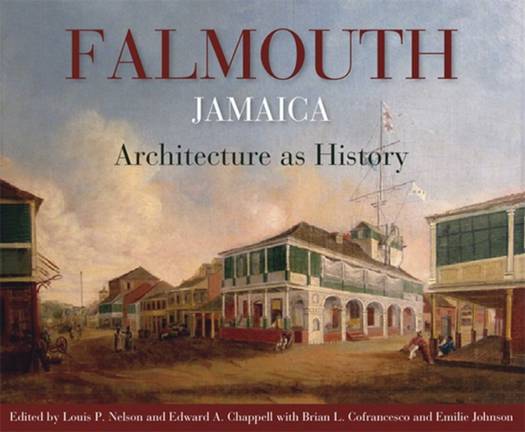
Founded in 1769 as a new port town on Jamaica's north coast, Falmouth expanded dramatically in the decades around 1800 as it supported the rapidly expanding sugar production of Trelawny and neighbouring parishes. Many of the surviving buildings in Falmouth are the townhouses and shops of the planters and merchants who benefited from the wealth of sugar. That same community also built a major Anglican church and a courthouse, both of which still survive and remain in use. In those same years, Falmouth hosted a growing free black population and this community also left its mark on the historic town. In 1894, Falmouth received an extraordinary gift from the British Crown in the form of the Albert George Market, at once a symbol of persistent colonialism, a shelter for the ancient Sunday markets and a symbol of modernism in the form of its vast cast-iron design. Monuments in the city from the twentieth century include an extraordinary round Catholic church and an impressively Modernist school wing. With little investment through the twentieth century, Falmouth was entirely re-conceptualized in the opening years of the twenty-first century with the construction of a large cruise ship terminal. Spanning from the foundation of the town in 1769 to the opening of the cruise ship terminal in 2008, this book explores the wide range of architecture built by Jamaicans and others in the making of this extraordinary town.
Spécifications
Parties prenantes
- Editeur:
Contenu
- Nombre de pages :
- 320
- Langue:
- Anglais
Caractéristiques
- EAN:
- 9789766404932
- Date de parution :
- 30-11-14
- Format:
- Livre broché
- Format numérique:
- Trade paperback (VS)
- Dimensions :
- 280 mm x 230 mm
- Poids :
- 789 g

Seulement chez Librairie Club
+ 125 points sur votre carte client de Librairie Club
Concours


Les avis
Nous publions uniquement les avis qui respectent les conditions requises. Consultez nos conditions pour les avis.