


- Retrait en 2 heures
- Assortiment impressionnant
- Paiement sécurisé
- Toujours un magasin près de chez vous
- Retrait en 2 heures
- Assortiment impressionnant
- Paiement sécurisé
- Toujours un magasin près de chez vous



4,49 €
+ 4 points
Description
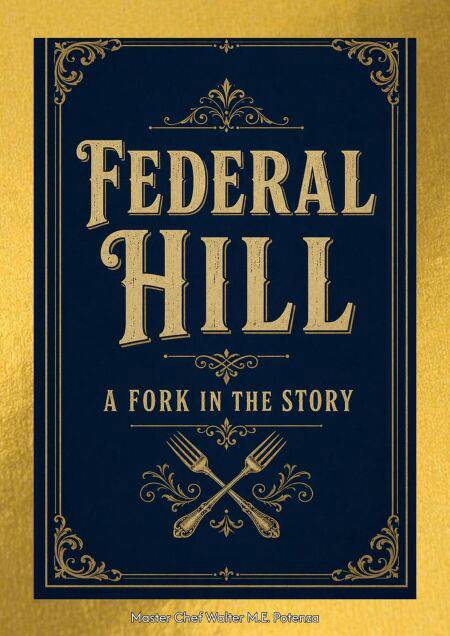
Federal Hill: A Fork in the Story
Recipes, Raids, and the Real "Little Italy"
This book delves into the rich and complex history of Federal Hill, a neighborhood that has evolved from its agricultural roots to become a vibrant immigrant enclave. It chronicles the waves of migration that shaped this area, particularly focusing on the contributions of Italian, Irish, and Jewish communities, which collectively established Federal Hill as a cornerstone of Providence's working-class identity.
The narrative celebrates the profound impact of Italian immigrants who brought with them cherished traditions and cultural practices. Through community gatherings and religious celebrations—such as St. Bartholomew's Day and the Feast of the Blessed Sacrament—their efforts fostered a tight-knit "Little Italy" along Atwells Avenue, where familial bonds and mutual support thrived through various aid societies.
Culinary evolution is another focal point, tracing how humble beginnings in immigrant kitchens transformed into Rhode Island's renowned "Restaurant Row." This section highlights the transition from traditional fare like pasta fagioli to upscale dining experiences that blend classic Italian-American cuisine with contemporary influences.
However, not all aspects are celebratory. The book confronts the darker elements associated with organized crime in Federal Hill. It examines how figures such as those from the Patriarca family influenced local life through illegal activities like bootlegging and gambling, casting a long shadow over honest livelihoods and altering public perception.
Finally, it paints a portrait of Federal Hill's architectural landscape and social dynamics amidst challenges such as suburban flight and urban decay. By weaving together these themes, this work offers an insightful exploration of resilience within a community marked by both triumphs and trials.
The recipes in this book were not pulled from glossy magazines or test kitchens. They were scribbled on index cards, napkins, and the backs of mass cards. Some came from women who never measured anything in their lives—"a handful of this, until it looks right"—and converting those instructions into standard measurements required more negotiation than a city council budget meeting.
Each recipe has been redacted by the author. That means names of living persons have been removed. Locations have been generalized. A few ingredient proportions have been adjusted to prevent exact replication, at the request of families who still sell these dishes for a living.
But the soul of each recipe remains. You can still cook them. You just cannot legally claim you stole them from Nonna. Because you didn't. The author did that for you.
Spécifications
Parties prenantes
- Auteur(s) :
- Editeur:
Contenu
- Langue:
- Anglais
- Collection :
Caractéristiques
- EAN:
- 9798235055018
- Date de parution :
- 24-05-26
- Format:
- Ebook
- Protection digitale:
- /
- Format numérique:
- ePub


Seulement chez Librairie Club
+ 4 points sur votre carte client de Librairie Club
Cadeau


Les avis
Nous publions uniquement les avis qui respectent les conditions requises. Consultez nos conditions pour les avis.