


- Retrait en 2 heures
- Assortiment impressionnant
- Paiement sécurisé
- Toujours un magasin près de chez vous
- Retrait en 2 heures
- Assortiment impressionnant
- Paiement sécurisé
- Toujours un magasin près de chez vous



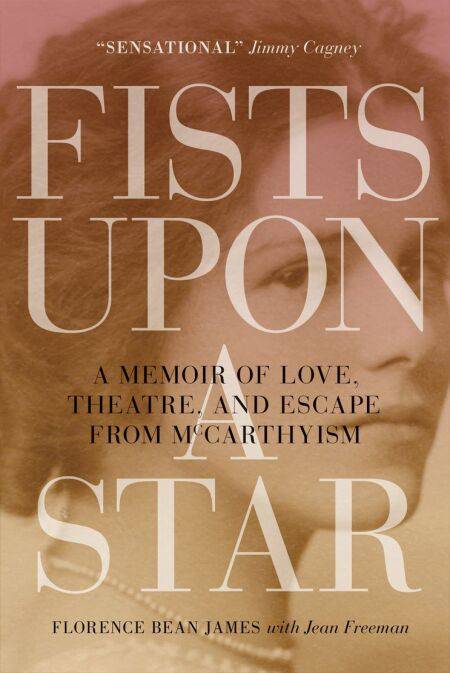
Fists upon a Star EBOOK
A Memoir of Love, Theatre, and Escape from McCarthyism
Florence Bean James, Jean Freeman
Ebook | Anglais
11,99 €
+ 11 points
Format
Description
Fists Upon a Star is the hard-hitting memoir of Florence James, a pioneering American theatre director, whose devastating experience with McCarthyism led her to flee to Canada.
The memoir is as epic as America itself. Born in 1892 in the frontier society of Idaho, she became a suffragette in New York City, was the first to put Jimmy Cagney on stage, and along with her husband, Burton, founded the Negro Repertory Theater and the nationally recognized Seattle Repertory Playhouse. With star appearances by Woody Guthrie and Helen Hayes, the memoir beautifully illustrates the evolution in her personal life and the development of professional theater during the Great Depression, World War II, and the McCarthy period.
James believed that theatre could offer both an uplifting artistic experience and the tools to advance community development. Her views on art and politics and her choice to stage what some saw as controversial plays led to a clash with the Un-American Activities Committee. After two Kafkaesque trials, a conviction for refusing to follow Committee rules, and being manhandled by police, she fled to Canada.
After settling in Saskatchewan (where she pioneered professional theatre) with her beloved husband, Burton, she marvelled over the “simplicity of causes” that brought the U.S. Government down upon her: “unionism, the eight-hour day, free speech, an uncensored press, freedom from poverty in old age, and health programs... Most of these principles are now the law of the land...But the struggle is hardly over.”
Written thirty-five years ago with celebrated actress Jean Freeman, James’s memoir sheds light on a fully realized creative life, her love for Burton, and a fascistic strain of American politics that continues to exist today.
The memoir is as epic as America itself. Born in 1892 in the frontier society of Idaho, she became a suffragette in New York City, was the first to put Jimmy Cagney on stage, and along with her husband, Burton, founded the Negro Repertory Theater and the nationally recognized Seattle Repertory Playhouse. With star appearances by Woody Guthrie and Helen Hayes, the memoir beautifully illustrates the evolution in her personal life and the development of professional theater during the Great Depression, World War II, and the McCarthy period.
James believed that theatre could offer both an uplifting artistic experience and the tools to advance community development. Her views on art and politics and her choice to stage what some saw as controversial plays led to a clash with the Un-American Activities Committee. After two Kafkaesque trials, a conviction for refusing to follow Committee rules, and being manhandled by police, she fled to Canada.
After settling in Saskatchewan (where she pioneered professional theatre) with her beloved husband, Burton, she marvelled over the “simplicity of causes” that brought the U.S. Government down upon her: “unionism, the eight-hour day, free speech, an uncensored press, freedom from poverty in old age, and health programs... Most of these principles are now the law of the land...But the struggle is hardly over.”
Written thirty-five years ago with celebrated actress Jean Freeman, James’s memoir sheds light on a fully realized creative life, her love for Burton, and a fascistic strain of American politics that continues to exist today.
Spécifications
Parties prenantes
- Auteur(s) :
- Editeur:
Contenu
- Nombre de pages :
- 384
- Langue:
- Anglais
Caractéristiques
- EAN:
- 9780889772618
- Date de parution :
- 20-09-13
- Format:
- Ebook
- Protection digitale:
- Digital watermarking
- Format numérique:



Seulement chez Librairie Club
+ 11 points sur votre carte client de Librairie Club
Cadeau


Les avis
Nous publions uniquement les avis qui respectent les conditions requises. Consultez nos conditions pour les avis.