


En raison d'une grève chez bpost, des retards de livraison peuvent survenir. Besoin de quelque chose en urgence ? Optez pour un retrait en magasin ou rendez-vous dans une Librairie Club à proximité.
- Retrait en 2 heures
- Assortiment impressionnant
- Paiement sécurisé
- Toujours un magasin près de chez vous
En raison d'une grève chez bpost, des retards de livraison peuvent survenir. Besoin de quelque chose en urgence ? Optez pour un retrait en magasin ou rendez-vous dans une Librairie Club à proximité.
- Retrait en 2 heures
- Assortiment impressionnant
- Paiement sécurisé
- Toujours un magasin près de chez vous


1,99 €
+ 1 points
Description
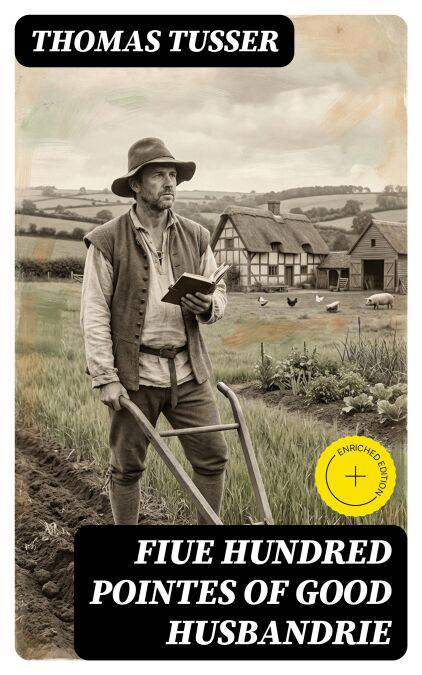
In his seminal work, "Fiue Hundred Pointes of Good Husbandrie," Thomas Tusser presents a meticulously structured guide to agricultural practices, encapsulated in a rich tapestry of verse. Using five hundreds of pithy couplets, Tusser conveys practical wisdom and moral lessons to the yeomanry of 16th-century England. The poem not only serves as an instructional text but also reflects the socio-economic landscape of Tudor agriculture, emphasizing sustainable farming techniques alongside ethical considerations of stewardship and domestic management. Its didactic tone and accessible style make it a pivotal text bridging the gap between literary expression and agrarian pragmatism. Thomas Tusser, an accomplished poet and farmer, embodies the Renaissance spirit of blending art with practical knowledge. His own experiences in farming, particularly during the agricultural tumult of his time, shaped his insights on rural life. Tusser's familiarity with the challenges faced by the working class—evident through his detailed observations—translates into a genuine desire to educate and uplift his readers, tethering his poetic craft to his lived realities. "Fiue Hundred Pointes of Good Husbandrie" is an essential read for historians, agronomists, and literature enthusiasts alike, offering a profound understanding of Tudor agricultural life. Tusser's blend of poetry and practicality invites modern readers to reflect on their relationship with the land, making it a timeless resource in the dialogue surrounding sustainability and ethics in agriculture.
In this enriched edition, we have carefully created added value for your reading experience:
- A succinct Introduction situates the work's timeless appeal and themes.
- The Synopsis outlines the central plot, highlighting key developments without spoiling critical twists.
- A detailed Historical Context immerses you in the era's events and influences that shaped the writing.
- A thorough Analysis dissects symbols, motifs, and character arcs to unearth underlying meanings.
- Reflection questions prompt you to engage personally with the work's messages, connecting them to modern life.
- Hand‐picked Memorable Quotes shine a spotlight on moments of literary brilliance.
- Interactive footnotes clarify unusual references, historical allusions, and archaic phrases for an effortless, more informed read.
In this enriched edition, we have carefully created added value for your reading experience:
- A succinct Introduction situates the work's timeless appeal and themes.
- The Synopsis outlines the central plot, highlighting key developments without spoiling critical twists.
- A detailed Historical Context immerses you in the era's events and influences that shaped the writing.
- A thorough Analysis dissects symbols, motifs, and character arcs to unearth underlying meanings.
- Reflection questions prompt you to engage personally with the work's messages, connecting them to modern life.
- Hand‐picked Memorable Quotes shine a spotlight on moments of literary brilliance.
- Interactive footnotes clarify unusual references, historical allusions, and archaic phrases for an effortless, more informed read.
Spécifications
Parties prenantes
- Auteur(s) :
- Editeur:
Contenu
- Nombre de pages :
- 325
- Langue:
- Anglais
Caractéristiques
- EAN:
- 8596547018339
- Date de parution :
- 28-05-22
- Format:
- Ebook
- Protection digitale:
- Digital watermarking
- Format numérique:
- ePub



Seulement chez Librairie Club
+ 1 points sur votre carte client de Librairie Club
Cadeau

Cadeau


Les avis
Nous publions uniquement les avis qui respectent les conditions requises. Consultez nos conditions pour les avis.