


- Retrait en 2 heures
- Assortiment impressionnant
- Paiement sécurisé
- Toujours un magasin près de chez vous
- Retrait en 2 heures
- Assortiment impressionnant
- Paiement sécurisé
- Toujours un magasin près de chez vous



30,45 €
+ 60 points
Description
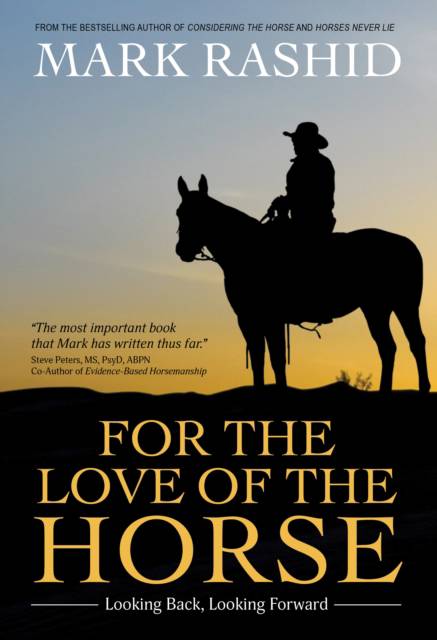
A favorite storyteller sheds new light on the never-ending process of becoming better for the horse. Over 30 years ago, renowned horseman and popular storyteller Mark Rashid's first book, Considering the Horse, was published. In it he shared his experiences with horses and people, subtly delivering practical lessons in horsemanship and life in a conversational style that resonated with audiences around the world. Now Rashid considers all that has happened in the years that have passed since that first book was published--the transformative moments and impactful individuals who have helped shape his philosophies and methods since then. With his distinctive voice, he shepherds readers through topics of relevance in the equestrian industry while telling more of his life story, resulting in an engaging memoir-style read that remains rich in nuggets of wisdom that you can put right to work in your daily interactions with horses. In For the Love of the Horse, Rashid explores: Ways he tried to find his own way of being with horses without actually knowing what he was looking for. How the art of aikido, and the teachers he had, changed his ideas about life and relationships outside the dojo. How it feels to be soft (and how it feels to not be), and how Rashid learned to stay true to the principles of softness as he understood them, regardless of the situation. How he broke out of the pattern of assigning human emotions and comprehension to horses. The impact neuroscientist Dr. Steve Peters had on Rashid's understanding of the horse's behaviors and responses and how they correlate to what is actually going on in the horse's brain. The power of observation and learning how to be still, even in the midst of activity. The difference between trying to connect with the horse versus allowing the horse to connect with you. How over time Rashid has shifted from trying techniques that alter a horse's behavior, to adjusting his own thoughts, emotions, and behaviors in order to help the horse feel safer. In his familiar way, Rashid takes readers on a journey that rewards with both adventure and education, finding new inroads in our attempts to become better company and fairer caregivers to horses. With his thoughtful lifetime of study leading by example, we are all encouraged to consider how far horsemanship has come and how bright its future might be.
Spécifications
Parties prenantes
- Auteur(s) :
- Editeur:
Contenu
- Nombre de pages :
- 184
- Langue:
- Anglais
Caractéristiques
- EAN:
- 9781646011391
- Date de parution :
- 20-09-22
- Format:
- Livre broché
- Format numérique:
- Trade paperback (VS)
- Dimensions :
- 163 mm x 239 mm
- Poids :
- 381 g


Seulement chez Librairie Club
+ 60 points sur votre carte client de Librairie Club
Cadeau


Les avis
Nous publions uniquement les avis qui respectent les conditions requises. Consultez nos conditions pour les avis.