


En raison d'une grève chez bpost, des retards de livraison peuvent survenir. Besoin de quelque chose en urgence ? Optez pour un retrait en magasin ou rendez-vous dans une Librairie Club à proximité.
- Retrait en 2 heures
- Assortiment impressionnant
- Paiement sécurisé
- Toujours un magasin près de chez vous
En raison d'une grève chez bpost, des retards de livraison peuvent survenir. Besoin de quelque chose en urgence ? Optez pour un retrait en magasin ou rendez-vous dans une Librairie Club à proximité.
- Retrait en 2 heures
- Assortiment impressionnant
- Paiement sécurisé
- Toujours un magasin près de chez vous



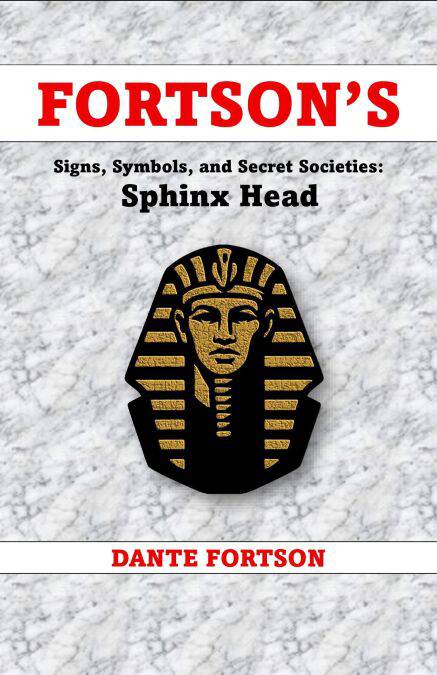
Fortson's Signs, Symbols, and Secret Societies: Sphinx Head EBOOK
Fortson's Signs, Symbols, and Secret Societies
Dante Fortson
2,99 €
Description
In the autumn of 1890, the wind sweeping across the gorges of Ithaca, New York, carried with it the whispers of a new era. Cornell University, then a young but rapidly ascending institution founded on the principles of egalitarianism and practical education, was becoming a fertile ground for a different kind of tradition. While the university's founder, Ezra Cornell, had famously declared an intent to found an institution where "any person can find instruction in any study," a group of ambitious seniors sought to create a more exclusive echelon within that democratic framework. This was the genesis of the Sphinx Head Society, the oldest senior honor society at Cornell.
The society was not merely a social club, nor was it a traditional Greek letter fraternity. It was designed to be a recognition of "merit, achievement, and character," focusing on those who had contributed most significantly to the university's prestige through athletics, journalism, and campus leadership. The choice of the Sphinx as their namesake was deeply intentional. In the late 19th century, Egyptology was a subject of intense fascination, but for these students, the Sphinx represented something more specific: the union of intellectual power and physical strength, kept under a veil of absolute silence.
Spécifications
Parties prenantes
- Auteur(s) :
- Editeur:
Contenu
- Langue:
- Anglais
- Collection :
Caractéristiques
- EAN:
- 9798233289323
- Date de parution :
- 08-02-26
- Format:
- Ebook
- Protection digitale:
- /
- Format numérique:
- ePub



Seulement chez Librairie Club
Cadeau


Les avis
Nous publions uniquement les avis qui respectent les conditions requises. Consultez nos conditions pour les avis.