


- Retrait en 2 heures
- Assortiment impressionnant
- Paiement sécurisé
- Toujours un magasin près de chez vous
- Retrait en 2 heures
- Assortiment impressionnant
- Paiement sécurisé
- Toujours un magasin près de chez vous



120,95 €
+ 241 points
Description
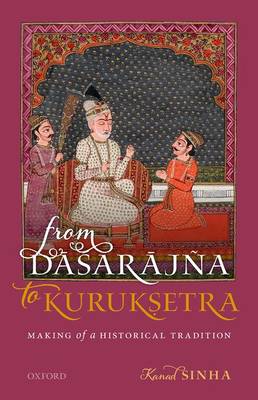
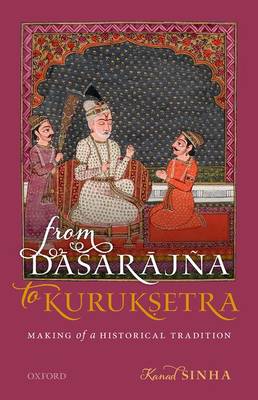
Is it true that the ancient Indians had no sense of History? The book begins with this question, and points out how the ways of perceiving the past could be culture-specific and how the concept of historical traditions can be useful in studying the various ways of memorising and representing the past, even if those ways do not necessarily correspond to the methodology of the Occidental discipline called 'History'. Ancient India had several historical traditions, and the book focuses on one of them, the itihasa. It also shows how the Mahabharata is the best illustration of this tradition, and how a historical study of the contents of the text, with comparison with and corroboration from other contemporary sources and traditions, may help us restore the text in its original context in the bardic historical tradition about the Later Vedic Kurus. Is the Mahabharata then an authentic history? This book does not claim so. However, it shows how the text had originated as a critical reflection on a great period of transition, how it dealt with the conflicting philosophies of the transitional period, how it propounded its thesis by creating new kinds of heroes such as Yudhisthira and Krsna, and how the text was reworked when it was canonized by the brahmanas
Spécifications
Parties prenantes
- Auteur(s) :
- Editeur:
Contenu
- Nombre de pages :
- 576
- Langue:
- Anglais
Caractéristiques
- EAN:
- 9780190130695
- Date de parution :
- 01-07-23
- Format:
- Livre relié
- Format numérique:
- Genaaid
- Dimensions :
- 152 mm x 213 mm
- Poids :
- 793 g


Seulement chez Librairie Club
+ 241 points sur votre carte client de Librairie Club
Cadeau


Les avis
Nous publions uniquement les avis qui respectent les conditions requises. Consultez nos conditions pour les avis.