


- Retrait en 2 heures
- Assortiment impressionnant
- Paiement sécurisé
- Toujours un magasin près de chez vous
- Retrait en 2 heures
- Assortiment impressionnant
- Paiement sécurisé
- Toujours un magasin près de chez vous



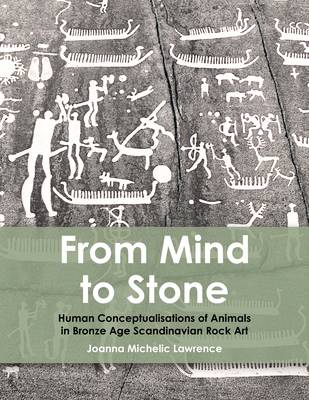
From Mind to Stone
Human Conceptualisations of Animals in Bronze Age Scandinavian Rock Art
Joanna Michelic Lawrence
104,45 €
+ 208 points
Description
From Mind to Stone explores human-animal relationships during the Bronze Age in Scandinavia (1800-500 cal BC) through the lens of Southern Tradition (ST) rock art from Sweden. Over this period, tens of thousands of figures were carved into the exposed bedrock of the coastal region, including a significant portion of animal depictions. Ideas about animals captured the imagination, and were important enough to people that they spent time recreating them in material culture. The resulting images represent materialised conceptions about animal natures. This book explores these conceptions and the processes by which they are formed, in order to understand the relationships between humans and animals in Scandinavian Bronze Age society.
The main research questions focus on how humans conceptualise animals within this cultural context, how these conceptualisations were materialised and negotiated in the medium of rock art, and what implications these conceptualisations had for animal roles in Bronze Age Scandinavian society. The text explores a Bronze Age ontological view of animals, encompassing understandings of their essential natures, capabilities, place in cosmology, inherent and economic values, roles within societies, and ideas about how to interact with them. It is argued that investigating the attitudes of people towards animals is a necessary step toward understanding how humans and animals related to each other in lived experience.
Part II presents the underlying research for this book. It describes how 500 animal figures and 680 anthropomorphic figures (primarily from Bohuslän, Sweden) were examined in the contexts of the surrounding images and how their visual features were evaluated through aesthetic and semiotic interpretive lenses. Qualitative characteristics of rock art images were recorded in a quantitatively accessible format, and used to identify patterns of associations between images. These patterns reflect a shared visual understanding of animal images and (by proxy) a shared ontological understanding of animal natures.
In Part III, this information is used to explore three thematic aspects that contribute to the broader picture of attitudes towards animals. Chapter 6 discusses semiotic and aesthetic choices in defining animals and argues that these aesthetic choices reveal changing relationships with animals over the course of the period. Chapter 7 explores the phenomenon of zoomorphism in non-animal figures (that is, the applications of animal features to non-animal things), elucidating symbolic roles of certain animals within Bronze Age ontologies. Chapter 8 focuses on the conceptual gendering and sex(ualis)ing of animals and argues for an interpretation that reflects the anthropomorphisation of animals over symbolic allusions to agricultural fertility. Chapter 9 synthesises the impressions and patterns emerging through these three lenses to identify underlying attitudes about the natures and roles of animals in the Bronze Age Scandinavian worldview.
The main research questions focus on how humans conceptualise animals within this cultural context, how these conceptualisations were materialised and negotiated in the medium of rock art, and what implications these conceptualisations had for animal roles in Bronze Age Scandinavian society. The text explores a Bronze Age ontological view of animals, encompassing understandings of their essential natures, capabilities, place in cosmology, inherent and economic values, roles within societies, and ideas about how to interact with them. It is argued that investigating the attitudes of people towards animals is a necessary step toward understanding how humans and animals related to each other in lived experience.
Part II presents the underlying research for this book. It describes how 500 animal figures and 680 anthropomorphic figures (primarily from Bohuslän, Sweden) were examined in the contexts of the surrounding images and how their visual features were evaluated through aesthetic and semiotic interpretive lenses. Qualitative characteristics of rock art images were recorded in a quantitatively accessible format, and used to identify patterns of associations between images. These patterns reflect a shared visual understanding of animal images and (by proxy) a shared ontological understanding of animal natures.
In Part III, this information is used to explore three thematic aspects that contribute to the broader picture of attitudes towards animals. Chapter 6 discusses semiotic and aesthetic choices in defining animals and argues that these aesthetic choices reveal changing relationships with animals over the course of the period. Chapter 7 explores the phenomenon of zoomorphism in non-animal figures (that is, the applications of animal features to non-animal things), elucidating symbolic roles of certain animals within Bronze Age ontologies. Chapter 8 focuses on the conceptual gendering and sex(ualis)ing of animals and argues for an interpretation that reflects the anthropomorphisation of animals over symbolic allusions to agricultural fertility. Chapter 9 synthesises the impressions and patterns emerging through these three lenses to identify underlying attitudes about the natures and roles of animals in the Bronze Age Scandinavian worldview.
Spécifications
Parties prenantes
- Auteur(s) :
- Editeur:
Contenu
- Nombre de pages :
- 224
- Langue:
- Anglais
- Collection :
Caractéristiques
- EAN:
- 9798888572955
- Date de parution :
- 18-12-26
- Format:
- Livre broché
- Format numérique:
- Trade paperback (VS)
- Dimensions :
- 216 mm x 279 mm


Seulement chez Librairie Club
+ 208 points sur votre carte client de Librairie Club
Cadeau


Les avis
Nous publions uniquement les avis qui respectent les conditions requises. Consultez nos conditions pour les avis.