Club utilise des cookies et des technologies similaires pour faire fonctionner correctement le site web et vous fournir une meilleure expérience de navigation.
Ci-dessous vous pouvez choisir quels cookies vous souhaitez modifier :
Club utilise des cookies et des technologies similaires pour faire fonctionner correctement le site web et vous fournir une meilleure expérience de navigation.
Nous utilisons des cookies dans le but suivant :
Assurer le bon fonctionnement du site web, améliorer la sécurité et prévenir la fraude
Avoir un aperçu de l'utilisation du site web, afin d'améliorer son contenu et ses fonctionnalités
Pouvoir vous montrer les publicités les plus pertinentes sur des plateformes externes
Club utilise des cookies et des technologies similaires pour faire fonctionner correctement le site web et vous fournir une meilleure expérience de navigation.
Ci-dessous vous pouvez choisir quels cookies vous souhaitez modifier :
Cookies techniques et fonctionnels
Ces cookies sont indispensables au bon fonctionnement du site internet et vous permettent par exemple de vous connecter. Vous ne pouvez pas désactiver ces cookies.
Cookies analytiques
Ces cookies collectent des informations anonymes sur l'utilisation de notre site web. De cette façon, nous pouvons mieux adapter le site web aux besoins des utilisateurs.
Cookies marketing
Ces cookies partagent votre comportement sur notre site web avec des parties externes, afin que vous puissiez voir des publicités plus pertinentes de Club sur des plateformes externes.
Une erreur est survenue, veuillez réessayer plus tard.
Il y a trop d’articles dans votre panier
Vous pouvez encoder maximum 250 articles dans votre panier en une fois. Supprimez certains articles de votre panier ou divisez votre commande en plusieurs commandes.
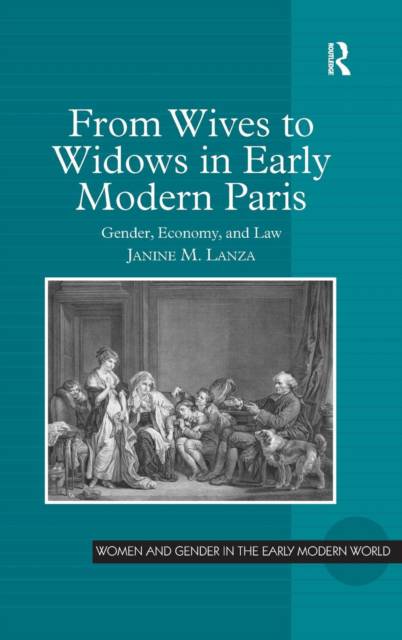
Looking especially at widows of master craftsmen in early modern Paris, this study provides analysis of the social and cultural structures that shaped widows' lives as well as their day-to-day experiences. Janine Lanza examines widows in early modern Paris at every social and economic level, beginning with the late sixteenth century when changes in royal law curtailed the movement of property within families up to the time of the French Revolution. The glimpses she gives us of widows running businesses, debating remarriage, and negotiating marriage contracts offer precious insights into the daily lives of women in this period. Lanza shows that understanding widows dramatically alters our understanding of gender, not only in terms of how it was lived in this period but also how historians can use this idea as a category of analysis. Her study also engages the historiographical issue of business and entrepreneurship, particularly women's participation in the world of work; and explicitly examines the place of the law in the lived experience of the early modern period. How did widowed women use their newly acquired legal emancipation? How did they handle their emotional loss? How did their roles in their families and their communities change? How did they remain financially solvent without a man in the house? How did they make decisions that had always been made by the men around them? These questions all touch upon the experience of widows and on the ways women related to prevalent structures and ideologies in this society. Lanza's study of these women, the ways they were represented and how they experienced their widowhood, challenges many historical assumptions about women and their roles with respect to the law, the family, and economic activity.