


- Retrait en 2 heures
- Assortiment impressionnant
- Paiement sécurisé
- Toujours un magasin près de chez vous
- Retrait en 2 heures
- Assortiment impressionnant
- Paiement sécurisé
- Toujours un magasin près de chez vous



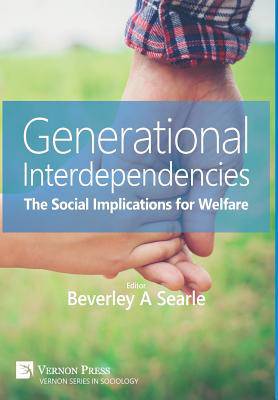
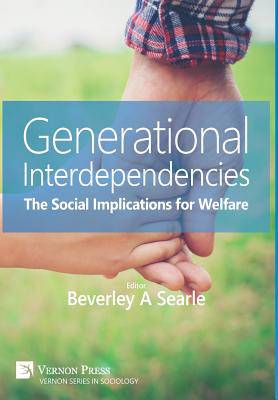
Generational Interdependencies
The Social Implications for Welfare
99,45 €
+ 198 points
Description
The issue of generational transfers is growing in importance. Populations are ageing, placing an increasing burden on provision of pensions, health care and other welfare services. In many nations the imbalance between a growing, older generation, supported by a shrinking younger generation, has fuelled debates about intergenerational justice. The key argument being that political and institutional developments over the last century have been to the advantage of older generations at the expense of current younger and future generations. But this only addresses half of the story, neglecting the flows of resources, through private, family channels. One key response to the growing fiscal problem of ageing societies has been to focus responsibility on self-funding and familial support. The growth of asset values, particularly housing, which are concentrated among the elderly, underpin such strategies. But this exposes new risks as potentially extractable resources are determined by wider fluctuations in the economy, and housing markets in particular. Clearly, these cohort effects, and responses to them, play out differently in different national developmental settings, depending on long-run patterns of economic, social and demographic change. This collection address these issues and provides original insights across different international contexts. The collection focusses on financial and non-financial transfers, generational interdependencies, and the role of labour and housing markets in welfare support, set against the changing economic landscape following the Great Financial Crisis of 2007. Although institutional and national differences exist the key emerging issues are the same: the financial and welfare challenges of supporting aging in societies; inequalities in the availability of assets across individuals, families and nations; and the extent to which private asset accumulation can support families over the life course. Drawing from examples across European countries, this collection will nonetheless be relevant to researchers and policy makers in other nations addressing the complexities of providing welfare across the life course in the face of restricted financial resources.
Spécifications
Parties prenantes
- Editeur:
Contenu
- Nombre de pages :
- 218
- Langue:
- Anglais
- Collection :
Caractéristiques
- EAN:
- 9781622731862
- Date de parution :
- 15-09-17
- Format:
- Livre relié
- Format numérique:
- Genaaid
- Dimensions :
- 152 mm x 229 mm
- Poids :
- 449 g

Seulement chez Librairie Club
+ 198 points sur votre carte client de Librairie Club
Cadeau


Les avis
Nous publions uniquement les avis qui respectent les conditions requises. Consultez nos conditions pour les avis.