


- Retrait en 2 heures
- Assortiment impressionnant
- Paiement sécurisé
- Toujours un magasin près de chez vous
- Retrait gratuit dans votre magasin Club
- 7.000.0000 titres dans notre catalogue
- Payer en toute sécurité
- Toujours un magasin près de chez vous

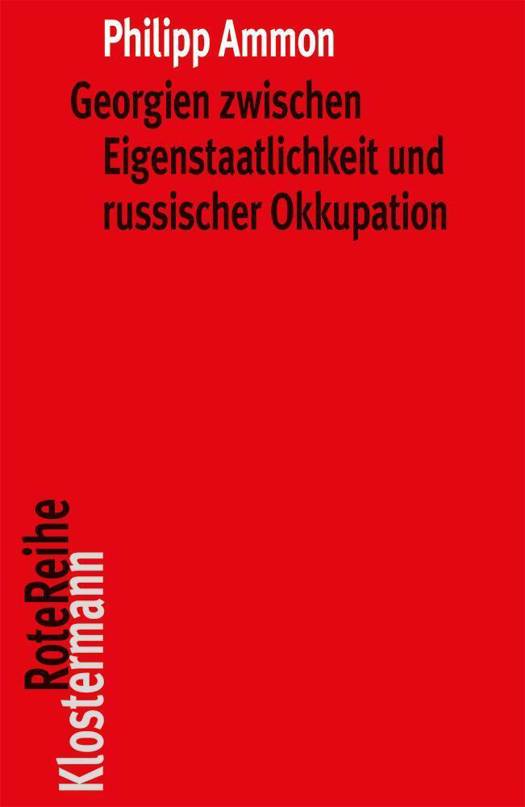
Georgien zwischen Eigenstaatlichkeit und russischer Okkupation
Die Wurzeln des Konflikts vom 18. Jh. bis 1924
Philipp Ammon
30,45 €
+ 60 points
Description
Wie kam es zu einer Entfremdung zwischen Russland und Georgien, zweier Länder desselben chalkedonensischen Glaubensbekenntnisses, deren Verbindungen bis ins Frühmittelalter zurückreichen? Georgische Einflüsse lassen sich bereits am glagolitischen Alphabet (9. Jh.) und der Nestorchronik (12. Jh.) ablesen. Ebenso alt ist die russische Sehnsucht nach dem georgischen Paradiesgarten, dem Vyrïj-sad, wohin die Vögel alljährlich zum Überwintern ziehen. "Indeed, we began to believe that most Russians hope that if they live good and virtuos lives, they will not go to heaven, but to Georgia, when they die", schreibt John Steinbeck 1948 im Russian Journal. Nach dem Fall Konstantinopels begann für die Georgier "die Sonne im Norden aufzugehen", wie es der Dichter Mamuk´a Barat´asvili formuliert, doch entgeht den Georgiern die Säkularisierung der "Heiligen Rus´", welche sich nicht mehr von eschatologischem Sendungsbewusstsein, sondern von der Staatsräson leiten lässt. Das Missverständnis bedingt eine Entfremdung und eine Tragödie, die bis heute währt.Where lie the roots for the alienation between Russia and Georgia, two countries of the same Chalcedonian Creed, whose links go back to the early Middle Ages? Georgian influences can already be seen in the Glagolitic alphabet (9th century) and the Nestor Chronicle (12th century). The Russian longing for the Georgian paradise garden, the Vyrïj-sad, where birds migrate every year to spend the winter, is just as old. "Indeed, we began to believe that most Russians hope that if they live good and virtuos lives, they will not go to heaven, but to Georgia, when they die," writes John Steinbeck in the Russian Journal in 1948. After the fall of Constantinople, for the Georgians "the sun began to rise in the north", as the poet Mamuk´a Barat´asvili puts it, but the Georgians missed the secularization of the "holy Rus´", which is no longer guided by the belief in an eschatalogical mission but by the reason of state. This misunderstanding causes an alienation and a tragedy that lasts until today.
Spécifications
Parties prenantes
- Auteur(s) :
- Editeur:
Contenu
- Langue:
- Allemand
- Collection :
- Tome:
- n° 117
Caractéristiques
- EAN:
- 9783465044079
- Date de parution :
- 22-10-19
- Format:
- Livre
- Dimensions :
- 145 mm x 215 mm
- Poids :
- 304 g


Seulement chez Librairie Club
+ 60 points sur votre carte client de Librairie Club
Cadeau

Cadeau


Les avis
Nous publions uniquement les avis qui respectent les conditions requises. Consultez nos conditions pour les avis.