


- Retrait en 2 heures
- Assortiment impressionnant
- Paiement sécurisé
- Toujours un magasin près de chez vous
- Retrait en 2 heures
- Assortiment impressionnant
- Paiement sécurisé
- Toujours un magasin près de chez vous



39,45 €
+ 78 points
Description
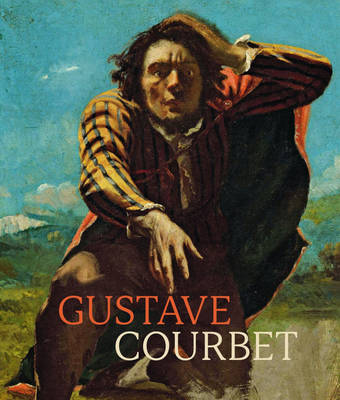
Meet the realist rebel of 19th-century French art and politics--a self-confident socialist who insisted upon both artistic and political autonomy
Published with Folkwang Museum, Essen/Leopold Museum, Vienna.
"I am the proudest and most arrogant man in France," boasted Gustave Courbet (1819-77) in an 1853 letter to a friend. His fellow artists, salon jurists, critics and the general population would have likely agreed. From setting up his own "Pavilion of Realism" at the Exposition Universelle to leading the Federation of Artists during the brief-lived Paris Commune, Courbet became as well known for his political involvement as for his socially committed style of painting. His portraits, landscapes and still lifes are quiet, contemplative and even mournful, and provide a stark contrast to the rapid political and industrial changes of his time. This exhibition catalog provides an extensive survey of Courbet's revolutionary realism, from his early self-portraits to his egalitarian The Stone Breakers and his controversial L'Origine du monde.Spécifications
Parties prenantes
- Auteur(s) :
- Editeur:
Contenu
- Nombre de pages :
- 344
- Langue:
- Anglais
Caractéristiques
- EAN:
- 9783753309668
- Date de parution :
- 28-07-26
- Format:
- Livre relié
- Format numérique:
- Genaaid
- Dimensions :
- 241 mm x 286 mm
- Poids :
- 1960 g


Seulement chez Librairie Club
+ 78 points sur votre carte client de Librairie Club
Cadeau


Les avis
Nous publions uniquement les avis qui respectent les conditions requises. Consultez nos conditions pour les avis.