


En raison d'une grève chez bpost, des retards de livraison peuvent survenir. Besoin de quelque chose en urgence ? Optez pour un retrait en magasin ou rendez-vous dans une Librairie Club à proximité.
- Retrait en 2 heures
- Assortiment impressionnant
- Paiement sécurisé
- Toujours un magasin près de chez vous
En raison d'une grève chez bpost, des retards de livraison peuvent survenir. Besoin de quelque chose en urgence ? Optez pour un retrait en magasin ou rendez-vous dans une Librairie Club à proximité.
- Retrait en 2 heures
- Assortiment impressionnant
- Paiement sécurisé
- Toujours un magasin près de chez vous


0,49 €
Format
Description
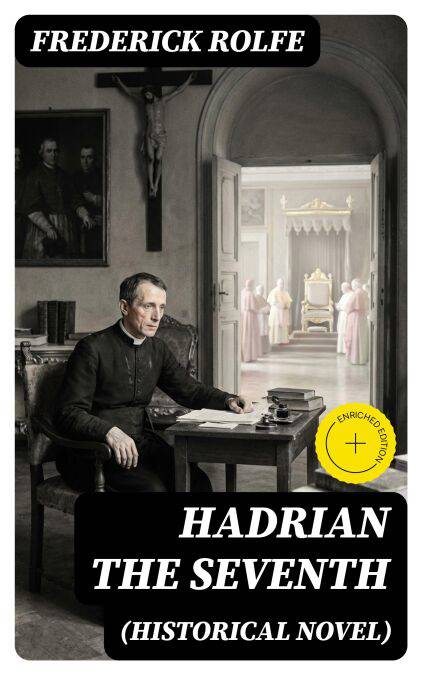
In "Hadrian the Seventh," Frederick Rolfe masterfully weaves a narrative that explores themes of ambition, spirituality, and the human condition through the lens of a fictionalized papacy. The novel, rich with baroque language and vivid imagery, immerses readers in the intricacies of early 20th-century ecclesiastical politics and the personal struggles of its protagonist, George Arthur Rose, who becomes Pope Hadrian VII. Rolfe's unique literary style, blending humor, pathos, and theological discourse, situates the novel within a context of early modernist literature, challenging the expectations of both character and genre. Frederick Rolfe, an enigmatic figure in literary history, experienced a life marked by rejection and peculiarities that inspired his exploration of religious themes and character-driven narratives. His background as a Catholic convert and his notorious social eccentricities profoundly informed his writings, allowing him to delve into the juxtaposition of divine aspiration and human frailty. "Hadrian the Seventh" serves as Rolfe's magnum opus, drawing upon his experiences with rejection from society and the Church to forge a compelling critique of authority and artistry. This novel is recommended for readers interested in richly textured historical fiction that confronts the complexities of faith and identity. Rolfe's intricate prose and nuanced characters offer an engaging meditation on power and the quest for meaning, making "Hadrian the Seventh" an essential read for anyone captivated by the interplay of history and the literary imagination.
In this enriched edition, we have carefully created added value for your reading experience:
- A succinct Introduction situates the work's timeless appeal and themes.
- The Synopsis outlines the central plot, highlighting key developments without spoiling critical twists.
- A detailed Historical Context immerses you in the era's events and influences that shaped the writing.
- A thorough Analysis dissects symbols, motifs, and character arcs to unearth underlying meanings.
- Reflection questions prompt you to engage personally with the work's messages, connecting them to modern life.
- Hand‐picked Memorable Quotes shine a spotlight on moments of literary brilliance.
- Interactive footnotes clarify unusual references, historical allusions, and archaic phrases for an effortless, more informed read.
In this enriched edition, we have carefully created added value for your reading experience:
- A succinct Introduction situates the work's timeless appeal and themes.
- The Synopsis outlines the central plot, highlighting key developments without spoiling critical twists.
- A detailed Historical Context immerses you in the era's events and influences that shaped the writing.
- A thorough Analysis dissects symbols, motifs, and character arcs to unearth underlying meanings.
- Reflection questions prompt you to engage personally with the work's messages, connecting them to modern life.
- Hand‐picked Memorable Quotes shine a spotlight on moments of literary brilliance.
- Interactive footnotes clarify unusual references, historical allusions, and archaic phrases for an effortless, more informed read.
Spécifications
Parties prenantes
- Auteur(s) :
- Editeur:
Contenu
- Nombre de pages :
- 329
- Langue:
- Anglais
Caractéristiques
- EAN:
- 8596547723264
- Date de parution :
- 15-11-23
- Format:
- Ebook
- Protection digitale:
- Digital watermarking
- Format numérique:
- ePub



Seulement chez Librairie Club
Cadeau


Les avis
Nous publions uniquement les avis qui respectent les conditions requises. Consultez nos conditions pour les avis.