


- Retrait en 2 heures
- Assortiment impressionnant
- Paiement sécurisé
- Toujours un magasin près de chez vous
- Retrait gratuit dans votre magasin Club
- 7.000.0000 titres dans notre catalogue
- Payer en toute sécurité
- Toujours un magasin près de chez vous


55,95 €
+ 111 points
Description
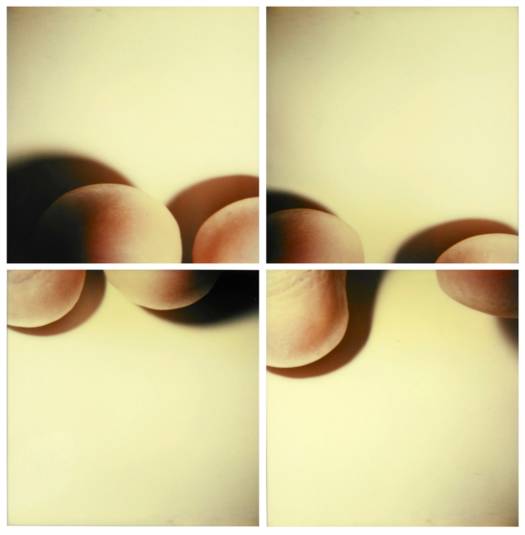
Hannah Villiger (1951-1997) was an extraordinary voice in late 20th-century contemporary art, but her work came to an abrupt end with her untimely death. She became known above all for her photographic works based on the body. This publication traces a path from the sculptural work she created in the 1970s and her little-known drawings to the black-and-white photographs and works with the Polaroid camera that Villiger started making in the 1980s. These fragmentary close-ups of her own body were enlarged via an internegative and mounted on aluminium, either individually or assembled into space-related blocks. These results were radical pictorial inventions that made a unique contribution to the artistic examination of the self and have not lost any of their topicality to this day.
The monography is published on the occasion of the first comprehensive exhibition in twenty years at Muzeum Susch. Hannah Villiger's work is examined by the two curators Madeleine Schuppli and Yasmin Afschar as well as by renowned authors and is on the one hand situated in the history of art and photography of the 20th century and on the other hand in contemporary discourse. The publication presents the latest research on Hannah Villiger's work. Themes such as the female body' self-image and its perception by others, fluid identities, the fragmentation of the physical body as well as psychological and aesthetic aspects of the human skin are dealt with. An important aspect is also the impact of Hannah Villiger on other artists, which is deepened both theoretically and through voices of artists who were affiliated with her. Numerous reproductions of works, some of which have never before been made public, archive material and a text by Hannah Villiger herself, round off the book.
The monography is published on the occasion of the first comprehensive exhibition in twenty years at Muzeum Susch. Hannah Villiger's work is examined by the two curators Madeleine Schuppli and Yasmin Afschar as well as by renowned authors and is on the one hand situated in the history of art and photography of the 20th century and on the other hand in contemporary discourse. The publication presents the latest research on Hannah Villiger's work. Themes such as the female body' self-image and its perception by others, fluid identities, the fragmentation of the physical body as well as psychological and aesthetic aspects of the human skin are dealt with. An important aspect is also the impact of Hannah Villiger on other artists, which is deepened both theoretically and through voices of artists who were affiliated with her. Numerous reproductions of works, some of which have never before been made public, archive material and a text by Hannah Villiger herself, round off the book.
Spécifications
Parties prenantes
- Auteur(s) :
- Editeur:
Contenu
- Nombre de pages :
- 180
- Langue:
- Anglais
Caractéristiques
- EAN:
- 9788857249186
- Date de parution :
- 27-04-23
- Format:
- Livre relié
- Dimensions :
- 165 mm x 240 mm
- Poids :
- 520 g


Seulement chez Librairie Club
+ 111 points sur votre carte client de Librairie Club

Les avis
Nous publions uniquement les avis qui respectent les conditions requises. Consultez nos conditions pour les avis.