


- Retrait en 2 heures
- Assortiment impressionnant
- Paiement sécurisé
- Toujours un magasin près de chez vous
- Retrait en 2 heures
- Assortiment impressionnant
- Paiement sécurisé
- Toujours un magasin près de chez vous



1,99 €
+ 1 points
Format
Description
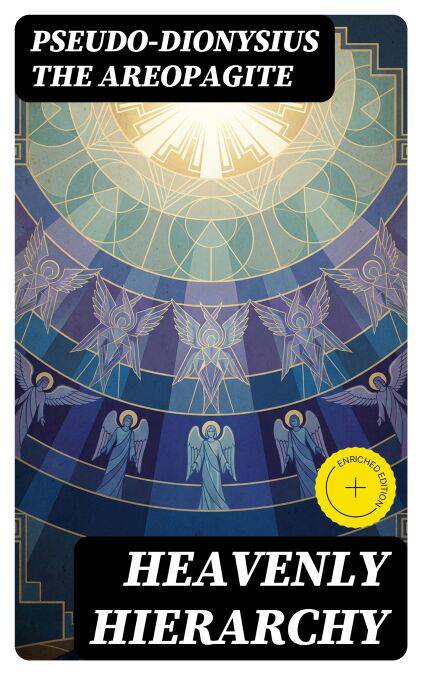
In "Heavenly Hierarchy," Pseudo-Dionysius the Areopagite intricately explores the celestial orders of angels and their roles within the divine cosmos. Written in a poetic and mystical style, this seminal work delves into the Neoplatonic framework of the late antique period, intertwining philosophy with Christian theology. Pseudo-Dionysius employs a rich symbolic language that invites readers to contemplate the complexities of the divine empires and their influences on the earthly realm, effectively bridging the gap between the transcendent and immanent experience of spirituality. Pseudo-Dionysius, a fourth-century Christian theologian and philosopher, was heavily influenced by the writings of Plato and Plotinus, which permeate his theological discourse. His works were pivotal in the development of medieval philosophy and Christian mysticism, revealing a profound understanding of mystical union with God. The synthesis of Hellenistic thought and early Christian doctrine in "Heavenly Hierarchy" reflects his aim to articulate a systematic view of the heavenly realm, shedding light on the structure and purpose of divine beings. This text is highly recommended for both scholars and casual readers of theology and philosophy. "Heavenly Hierarchy" provides valuable insights into the interplay of spirituality and metaphysics, making it an essential resource for understanding the early roots of Christian angelology and the hierarchical model of the heavenly realm.
In this enriched edition, we have carefully created added value for your reading experience:
- A succinct Introduction situates the work's timeless appeal and themes.
- The Synopsis outlines the central plot, highlighting key developments without spoiling critical twists.
- A detailed Historical Context immerses you in the era's events and influences that shaped the writing.
- An Author Biography reveals milestones in the author's life, illuminating the personal insights behind the text.
- A thorough Analysis dissects symbols, motifs, and character arcs to unearth underlying meanings.
- Reflection questions prompt you to engage personally with the work's messages, connecting them to modern life.
- Hand‐picked Memorable Quotes shine a spotlight on moments of literary brilliance.
- Interactive footnotes clarify unusual references, historical allusions, and archaic phrases for an effortless, more informed read.
In this enriched edition, we have carefully created added value for your reading experience:
- A succinct Introduction situates the work's timeless appeal and themes.
- The Synopsis outlines the central plot, highlighting key developments without spoiling critical twists.
- A detailed Historical Context immerses you in the era's events and influences that shaped the writing.
- An Author Biography reveals milestones in the author's life, illuminating the personal insights behind the text.
- A thorough Analysis dissects symbols, motifs, and character arcs to unearth underlying meanings.
- Reflection questions prompt you to engage personally with the work's messages, connecting them to modern life.
- Hand‐picked Memorable Quotes shine a spotlight on moments of literary brilliance.
- Interactive footnotes clarify unusual references, historical allusions, and archaic phrases for an effortless, more informed read.
Spécifications
Parties prenantes
- Auteur(s) :
- Traducteur(s):
- Editeur:
Contenu
- Nombre de pages :
- 44
- Langue:
- Anglais
Caractéristiques
- EAN:
- 8596547158011
- Date de parution :
- 09-08-22
- Format:
- Ebook
- Protection digitale:
- Digital watermarking
- Format numérique:
- ePub


Seulement chez Librairie Club
+ 1 points sur votre carte client de Librairie Club
Cadeau


Les avis
Nous publions uniquement les avis qui respectent les conditions requises. Consultez nos conditions pour les avis.